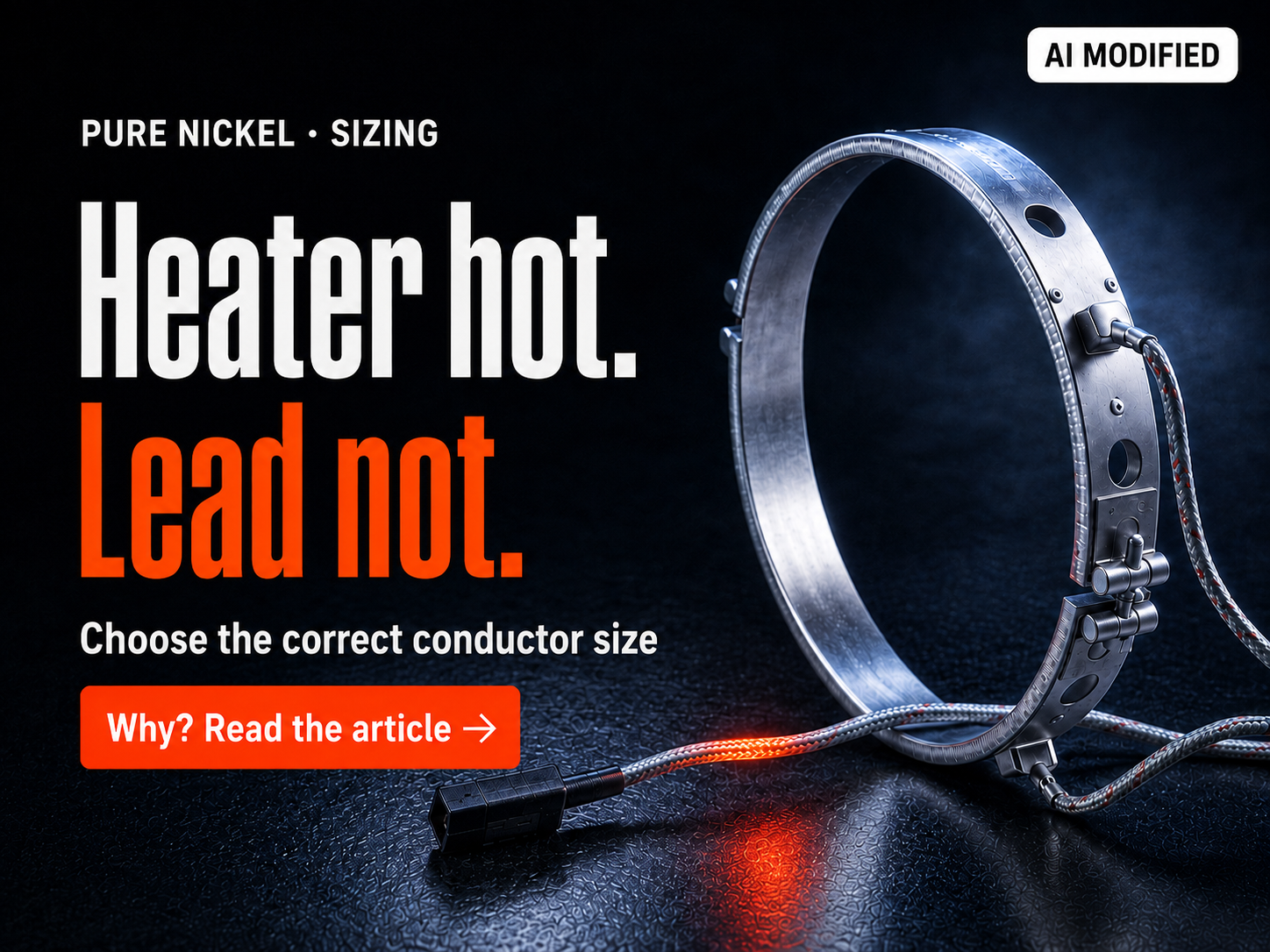
10 amps. More than five times the cross-section.
Why pure nickel needs a much larger cable cross-section than copper—and how ambient temperature, heat dissipation and termination determine a safe design.
Read design guide →Technical articles, practical reports and application knowledge from over 90 years of experience in electric heating technology.
Basics, comparisons and design aids for band heaters, cartridge heaters and temperature sensors.
Specific application examples from injection moulding, extrusion and packaging technology. What works — and why.
Trade fairs, events and company news from the entire group of companies.
Why pure nickel needs a much larger cable cross-section than copper—and how ambient temperature, heat dissipation and termination determine a safe design.
Read design guide →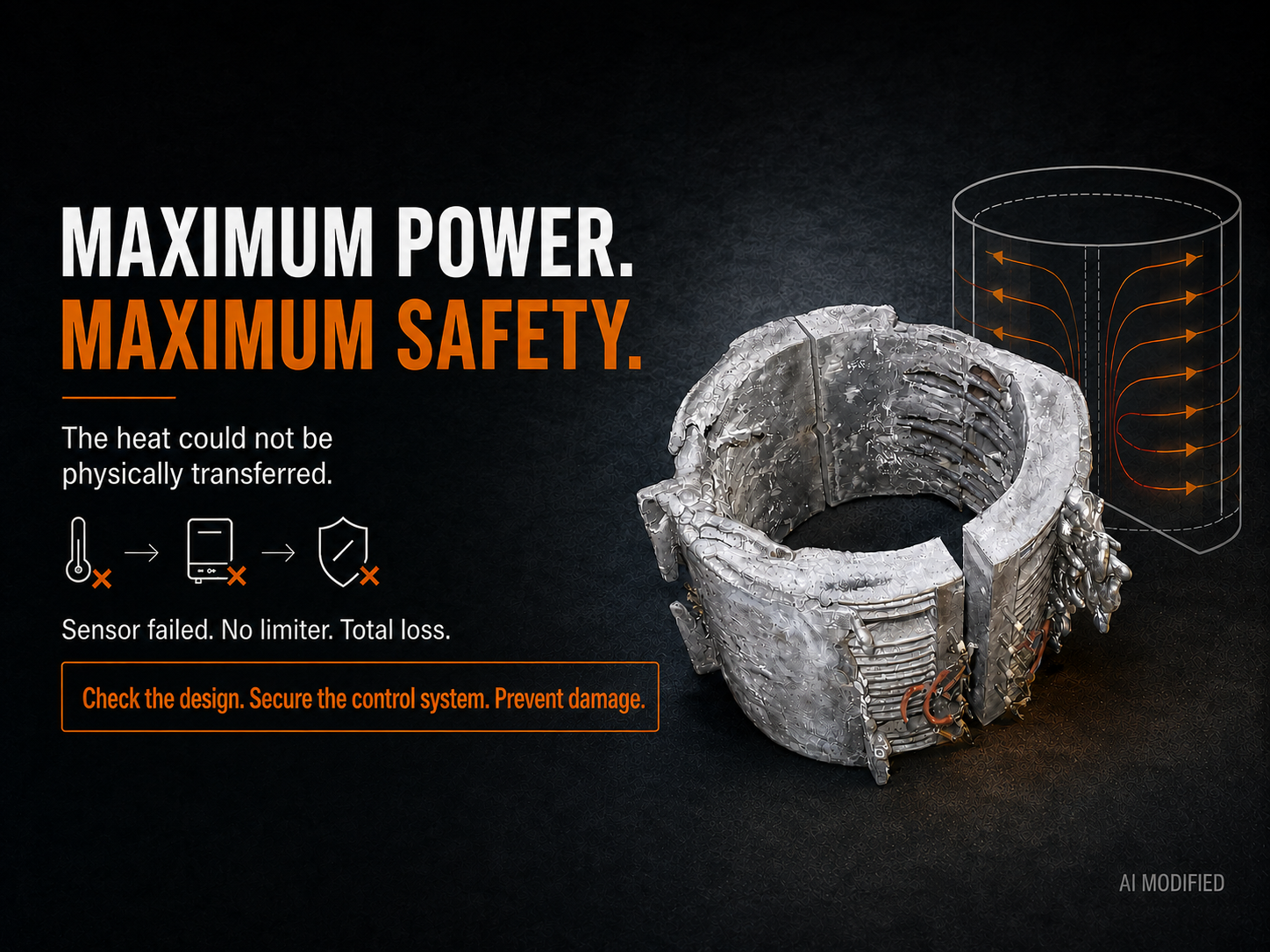
High heating power, a failed control sensor and no independent temperature limiter: what a destroyed cast heater reveals about safe system design.
Read case study →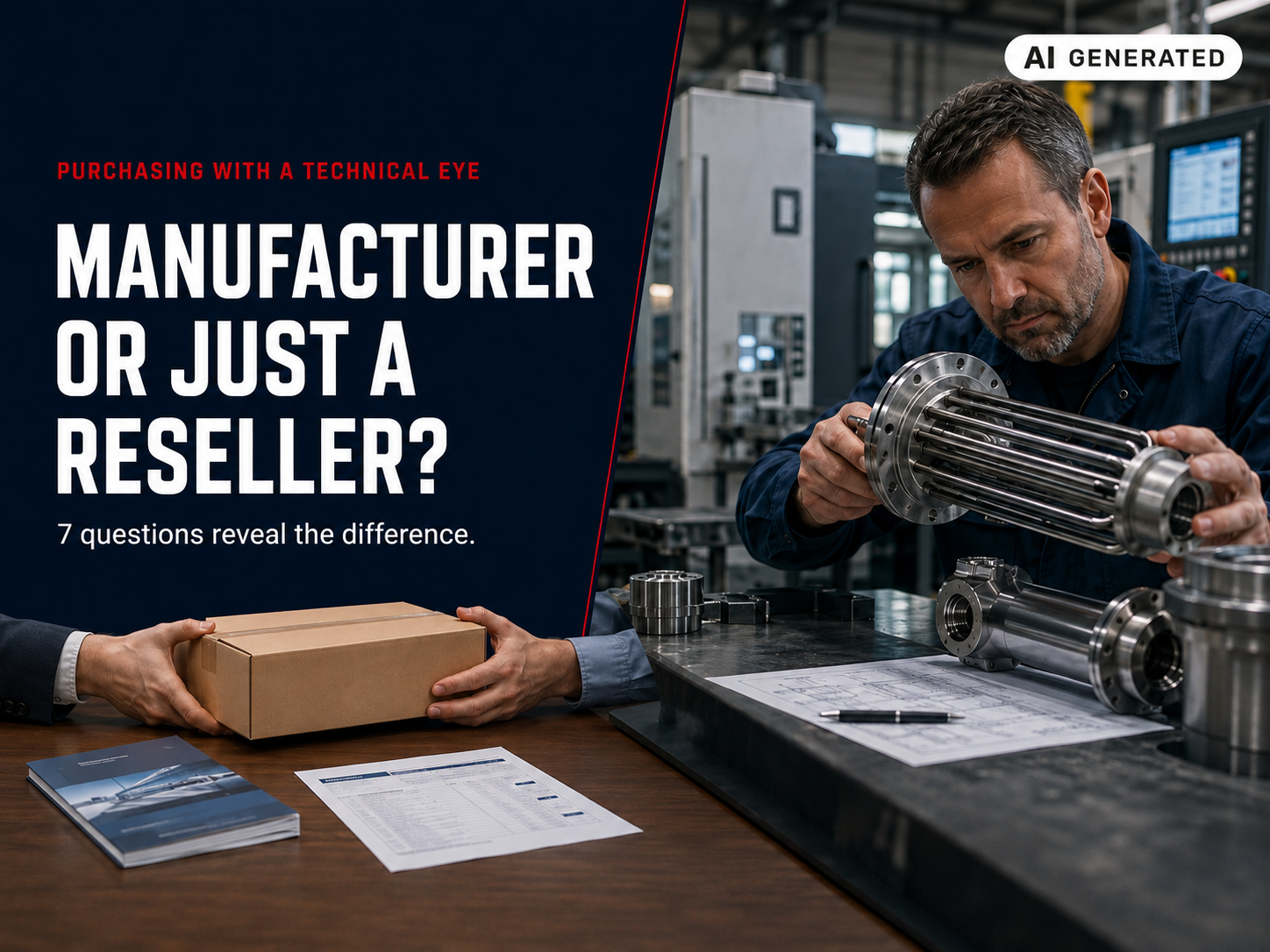
Seven touchstones for buyers: response time, custom-made products, design, zone heating, factory tour and verifiable references - who really manufactures and who just buys.
Read article →Melt, air gap, power density, connection or voltage: the five most common causes — and the diagnosis before replacement, so that the new band does not fail as well.
Read article →Controlled removal in six steps — penetrating oil, drift, heating the component — and the design with fit and removal option that keeps the next cartridge from jamming.
Read article →A symptom table and two measurements separate the three suspects of the control chain — before the wrong part is replaced on suspicion.
Read article →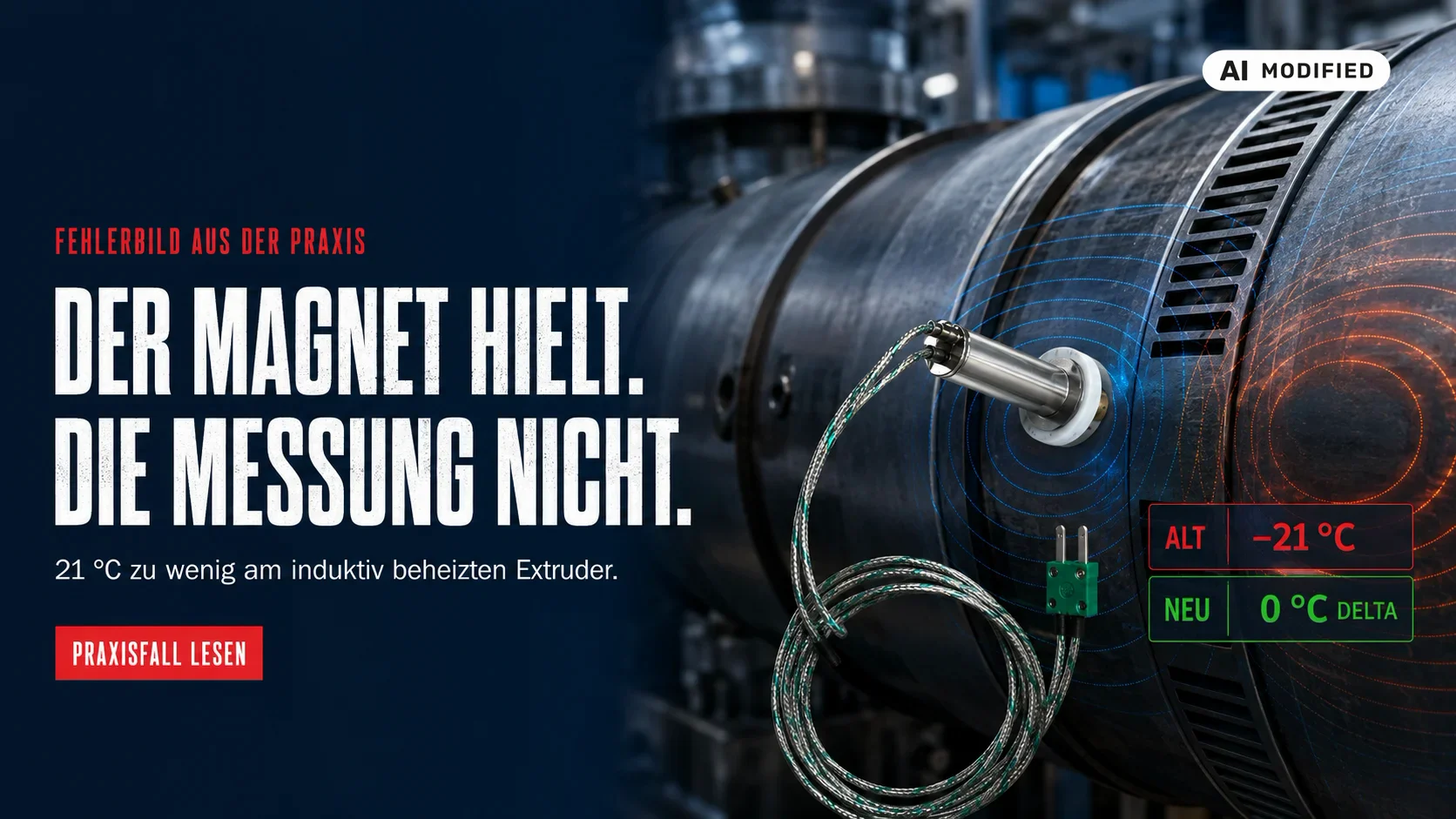
A surface sensor on an induction-heated extruder read 21 °C too low. Only a design adapted to the application and heat path matched the reference value.
Read case study →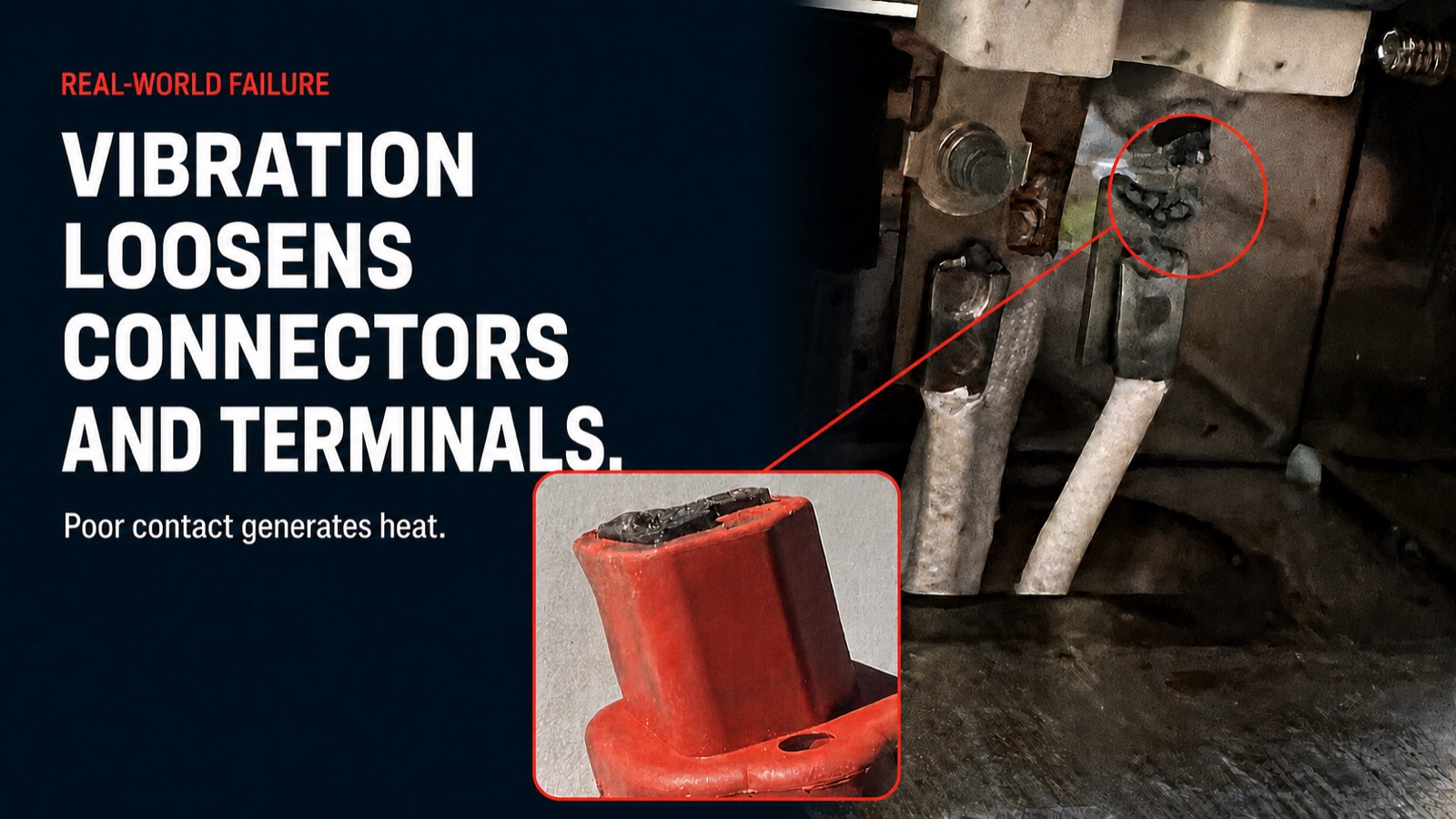
Error pattern from practice: Vibration loosens the contact, the contact resistance increases, the terminal carbonizes. This is how you design the connection and element to be vibration-proof.
Read article →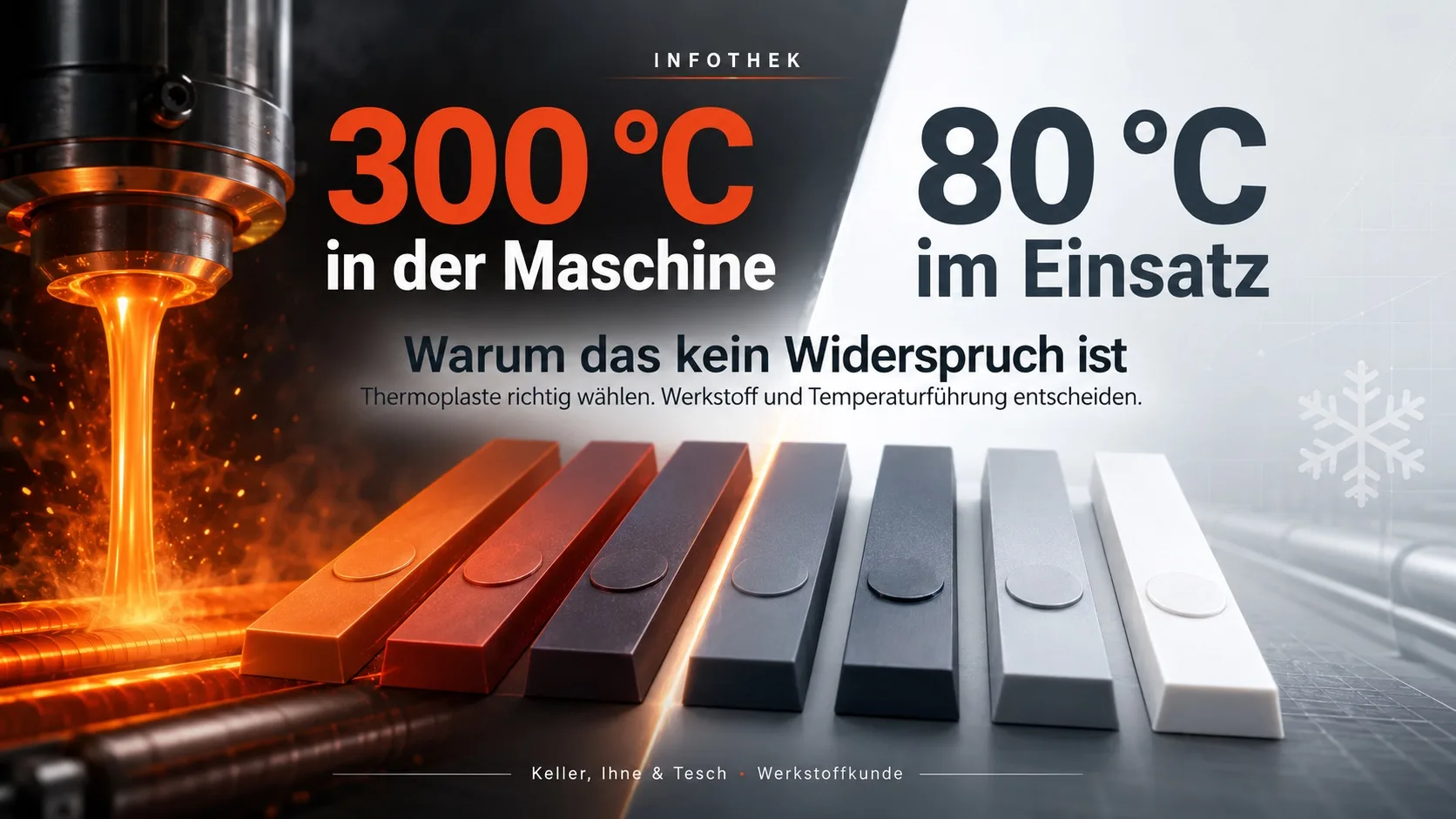
Why processing temperature is not long-term use temperature and how amorphous or semi-crystalline structures limit the choice of material.
Read guide →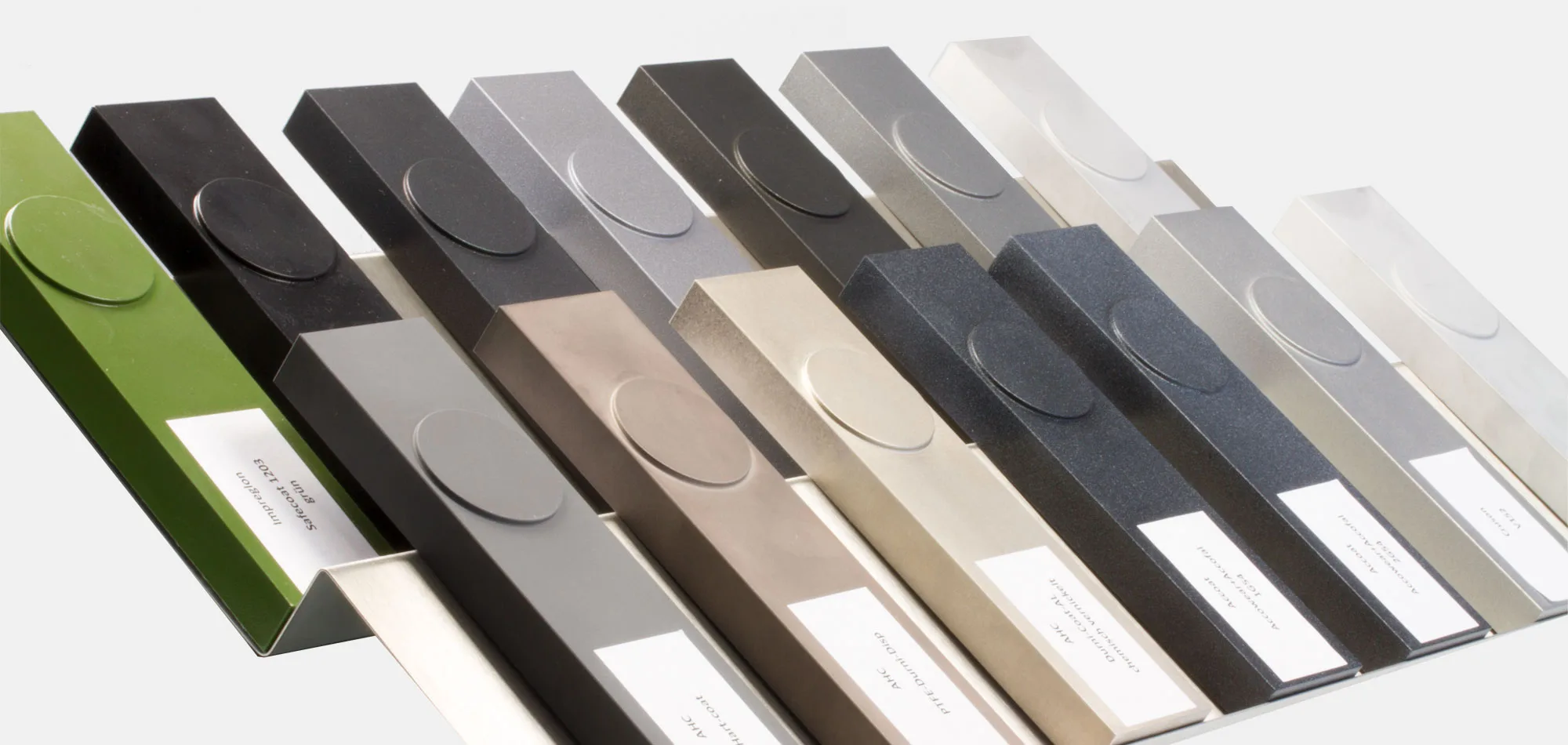
Why 260 °C is the relevant limit, how PTFE layers are constructed and when coated panels or glass fabric tape make sense.
Read article →Measured values from the comparison: 44 instead of 55 minutes heating time, 6.4 instead of 8.15 kWh and up to 30% savings potential.
Read comparison →The comparison shows: HAK improves temperature homogeneity and cooling performance on the screw barrel and reduces the energy requirement for cooling.
Read comparison →Why manually rounded sheet metal heating strips have dimensional deviations due to the system and thermally guide DAK/DMK through CNC-manufactured contact surfaces.
Read article →Annealing is not a single type of oven. Target temperature, air flow, batch, atmosphere, documentation and cycle determine the right oven solution.
Read selection guide →Four browser calculators for heating power, surface load, resistance and current as well as power loss on the tank.
Open calculator →If band heaters do not fit neatly, the process will fail. Contact area, tolerance and design determine energy, service life and quality.
Read more →Factual comparison according to temperature range, geometry, contact area, sensor technology and economic efficiency.
View matrix →Seebeck effect, IEC types, thermowells and typical measurement errors: what needs to be clarified before selecting a thermocouple.
Read article →Pt100, Pt1000, designs and custom-made products: what technology and purchasing should pay attention to when measuring industrial temperature.
Read article →Both types of sensors measure temperature — under different conditions. When which type of sensor is the better choice?
Read more →Why drilling tolerance, surface load and heat dissipation determine service life and risk of failure.
Read more →A practical case with 3300 W, 19 mm and 1293 mm shows why a 2200 W design can be better for heat dissipation.
Read article →ZAK, M/MC, KHK and Z cylinder band heaters plus nozzle band heaters for injection moulding and extrusion — with technical advice in Austria.
Read article →cartridge heaters for injection moulding, extrusion, packaging and special machine construction: PE, PDE and HPS/HPZ with technical advice in Austria.
Read article →Why precise cast heating plates for yoghurt pots, FFS systems and thinner films decide on process reliability and material use.
Read article →Melt leakage, moisture and poor fit often lead to failures. Why a closed compact design can prevent standstills.
Read more →Standard band heaters reach their limits at high temperatures. An extruder relies on KHK and reduces wear.
Read more →A processor retrofits 12 machines with thermal insulation pads. The annual savings exceed the investment after 5 months.
Read more →
About the Trappenberg Ski & Snowboard Club, two children who became ski instructors, and why regional commitment suits a family business.
Read post →On site throughout Austria or at short notice via teams: Keller, Ihne & Tesch supports customers with specific problems directly on machines, tools and systems.
Request advice →Why the Ihne & Tesch Group not only supplies heating elements, but also masters industrial heating processes: vertical integration, furnace construction, sensors and application experience.
Read article →Why leadership in electric heating technology does not come from volume, but rather from vertical integration, specialists, locations and responsibility.
Read article →KIT Austria says goodbye to Herbert Derndorfer in retirement. Michael Hackl takes over as successor at the Hague location.
Read post →Own foundry, CNC machining and technical responsibility for aluminium and brass cast heaters.
Read article →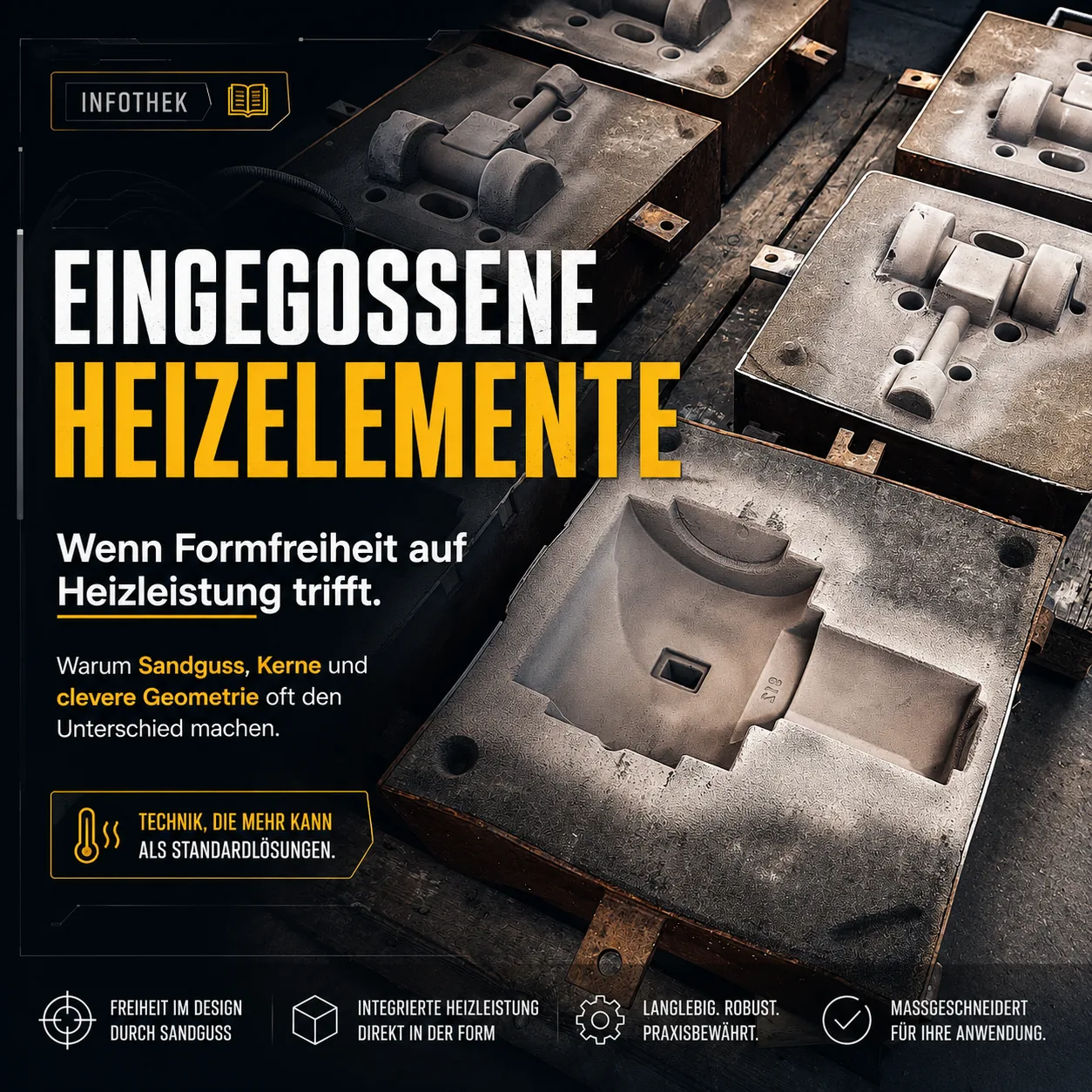
Sand casting instead of chill casting: when very complex geometries, undercuts and cast tubular heaters determine the choice of process.
Read article →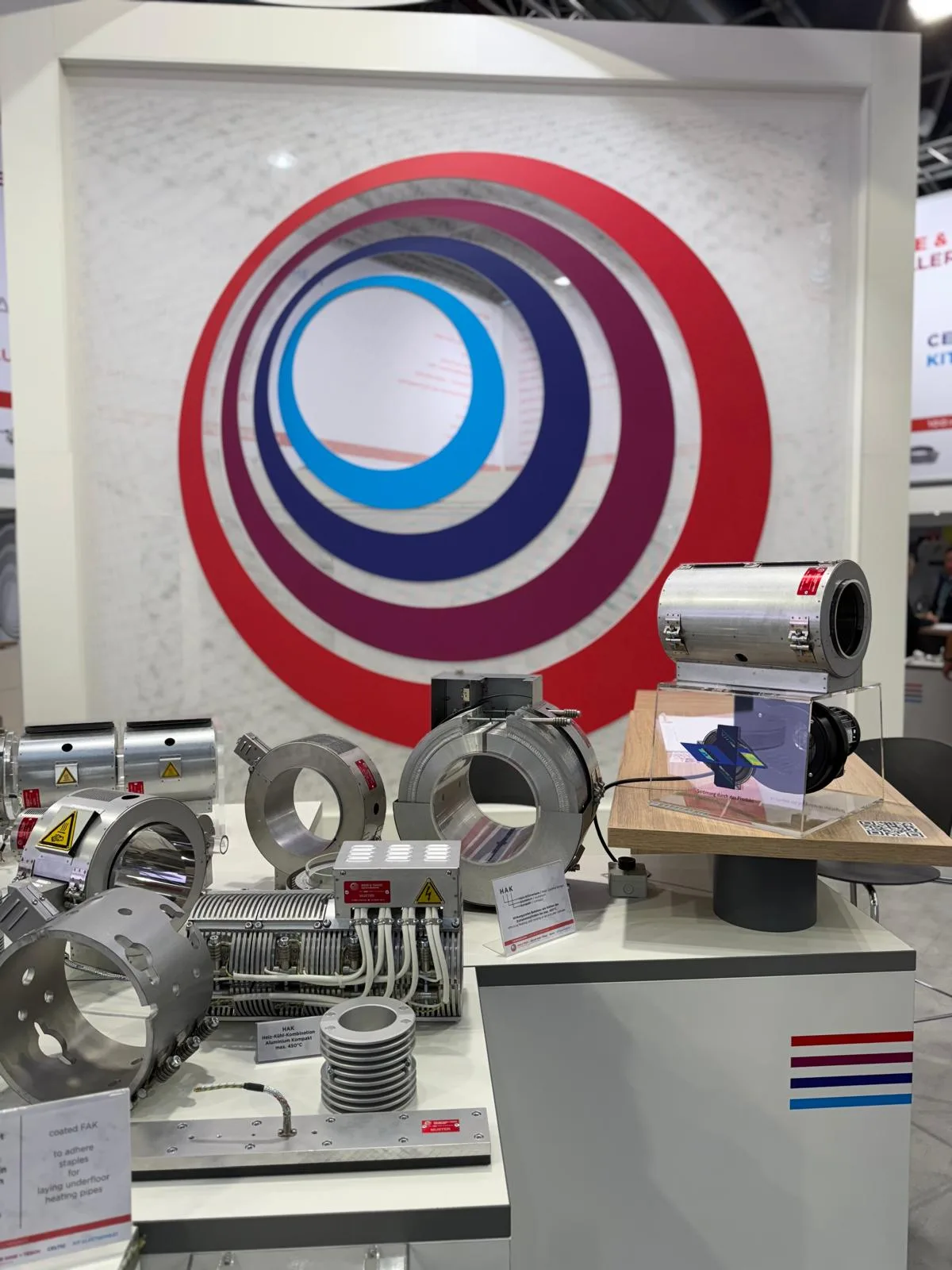
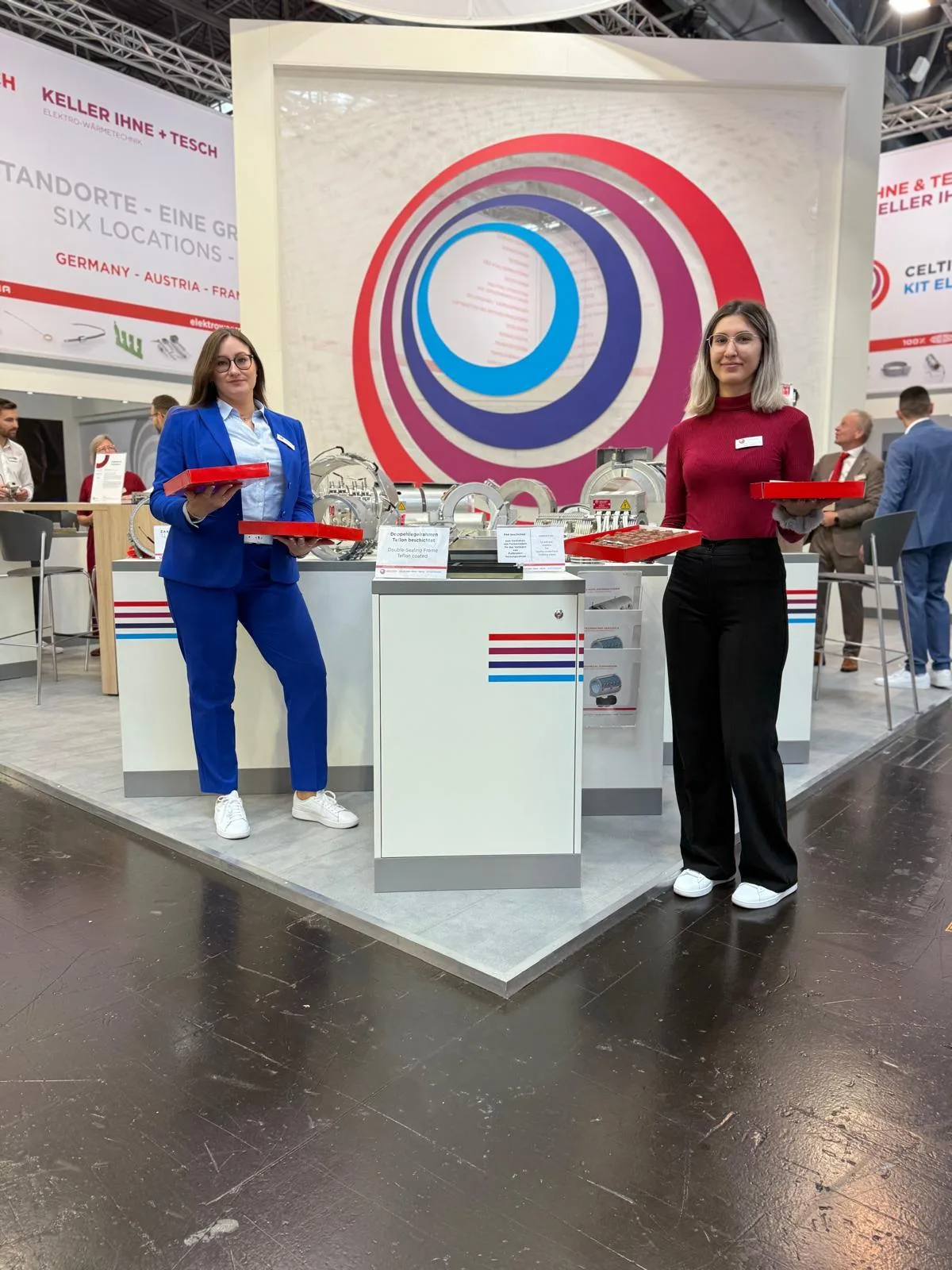
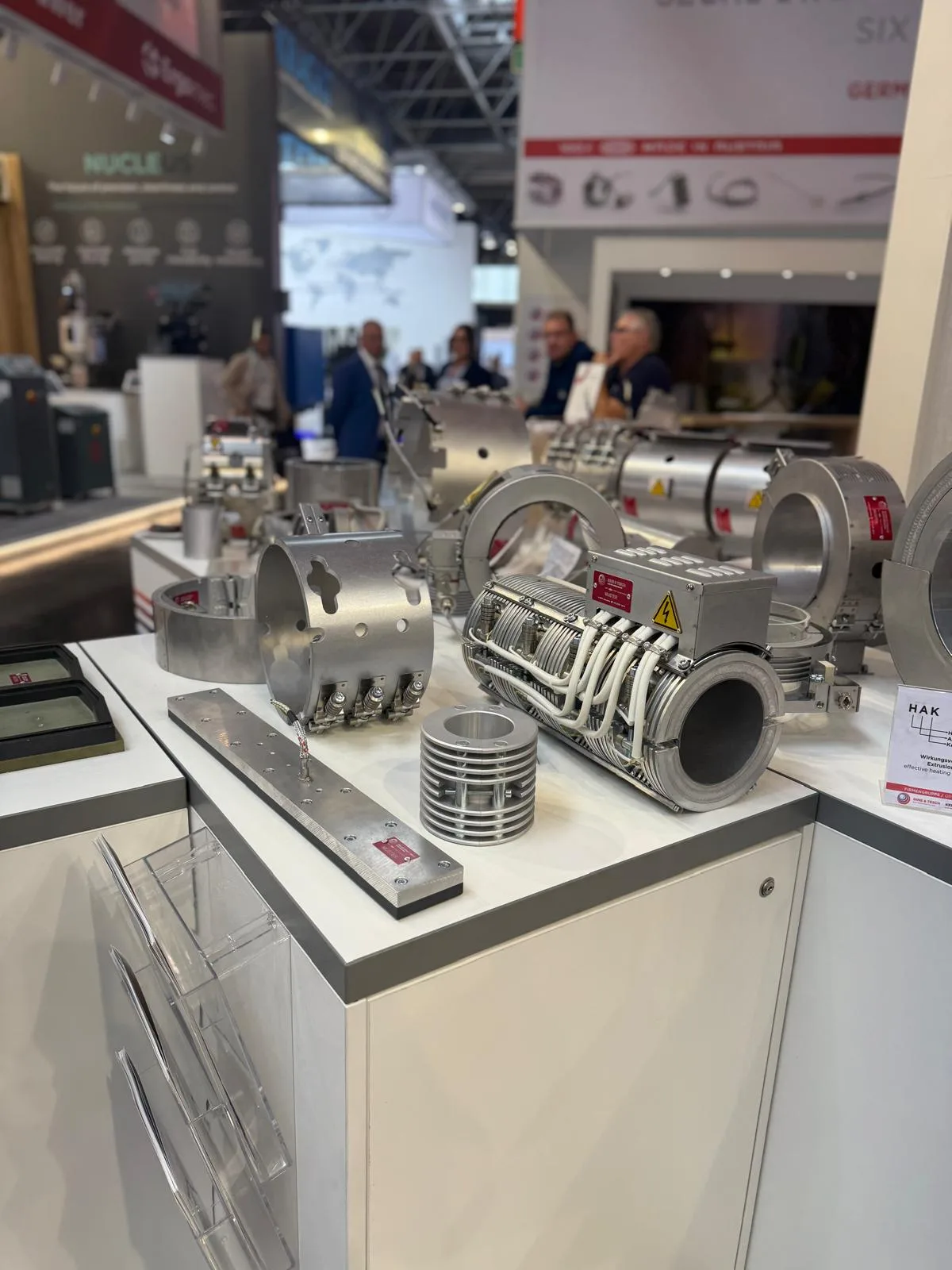
Impressions from the trade fair stand in Düsseldorf: band heaters, special solutions, customer discussions and the Ihne & Tesch Group team.
Read more →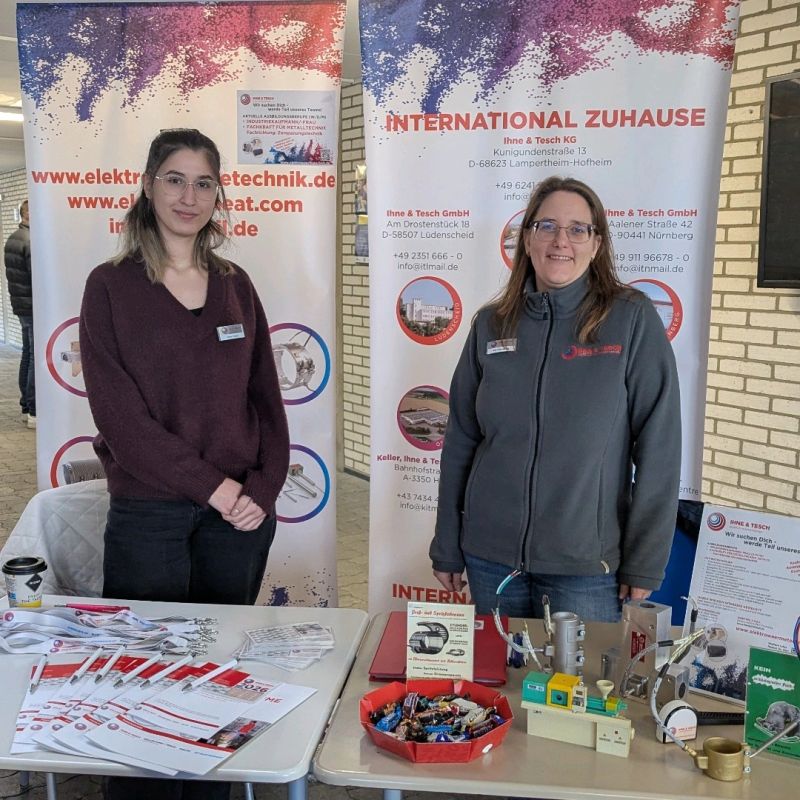
On February 7, 2026 we were at the training fair at the ESBK vocational college in Halver-Ostendorf - with around 50 companies on site. Information, advice and direct discussions with young people.
Career at Ihne & Tesch →Over 480 skilled workers, 100% in-house production. From Westphalia into the world - and the same quality standards everywhere.
View company group →A technical guide by Carsten Tesch, graduate business economist - for design, application and typical sources of error. Coming soon.
Published soonInsights from production, exhibition stand, team and application. Directly from the Ihne & Tesch Group.
Open profile →There are engineers behind every specialist article who will also advise you directly. No call centre, no waiting queue - just first-hand technical know-how.
