Cast iron heaters are not commercial goods
Anyone who orders an aluminium or brass cast heater is not just buying a heated component. He buys process reliability, accuracy of fit, temperature control and responsibility for the technical design.
That's exactly why it's worth asking a simple question: Is the cast iron heater actually cast, processed and technically responsible where it is ordered?
Is the cast iron heater really manufactured where I order it?
Why in-house production counts at Guss
In the market, providers often act as suppliers. What is crucial for the customer is whether there is a depth of production behind it: foundry, casting process, mould processing, machining, technical clarification and testing.
If these steps are outsourced, the actual responsibility for casting, heat conduction, material selection, post-processing and technical feasibility lies elsewhere. This is exactly what becomes noticeable with special parts, tight tolerances, critical installation situations or later complaints.
Ihne & Tesch manufactures cast iron heaters itself
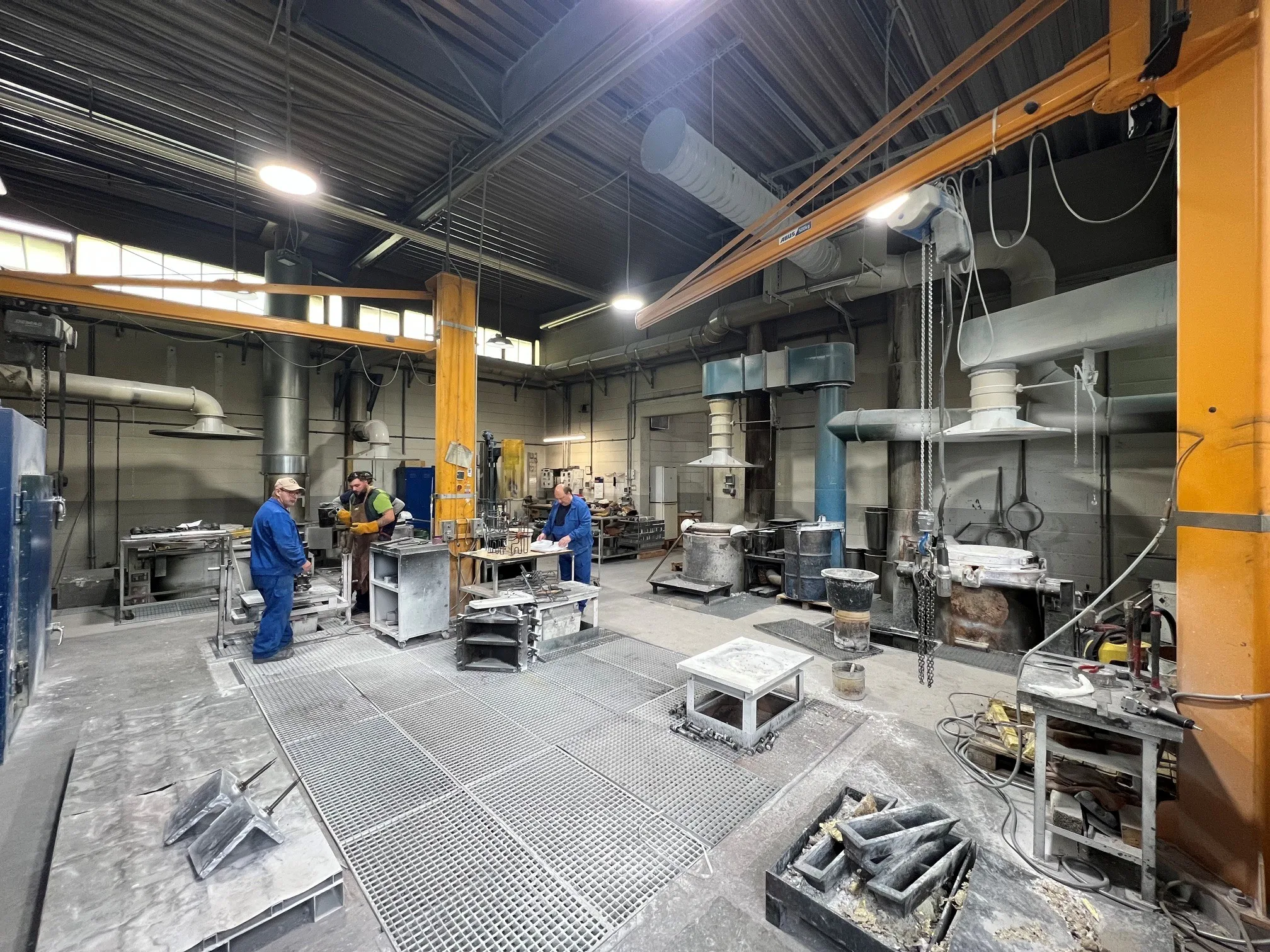
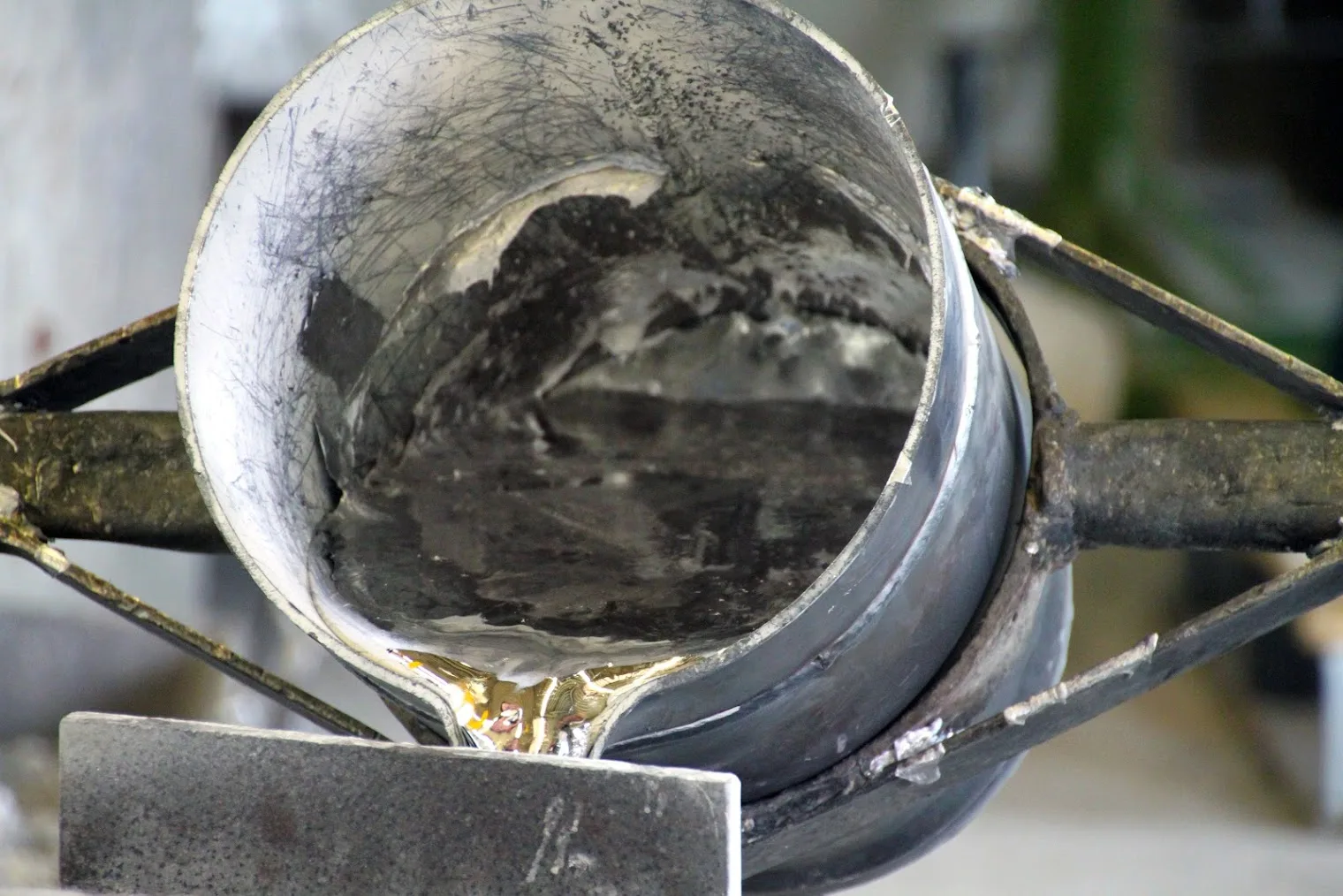
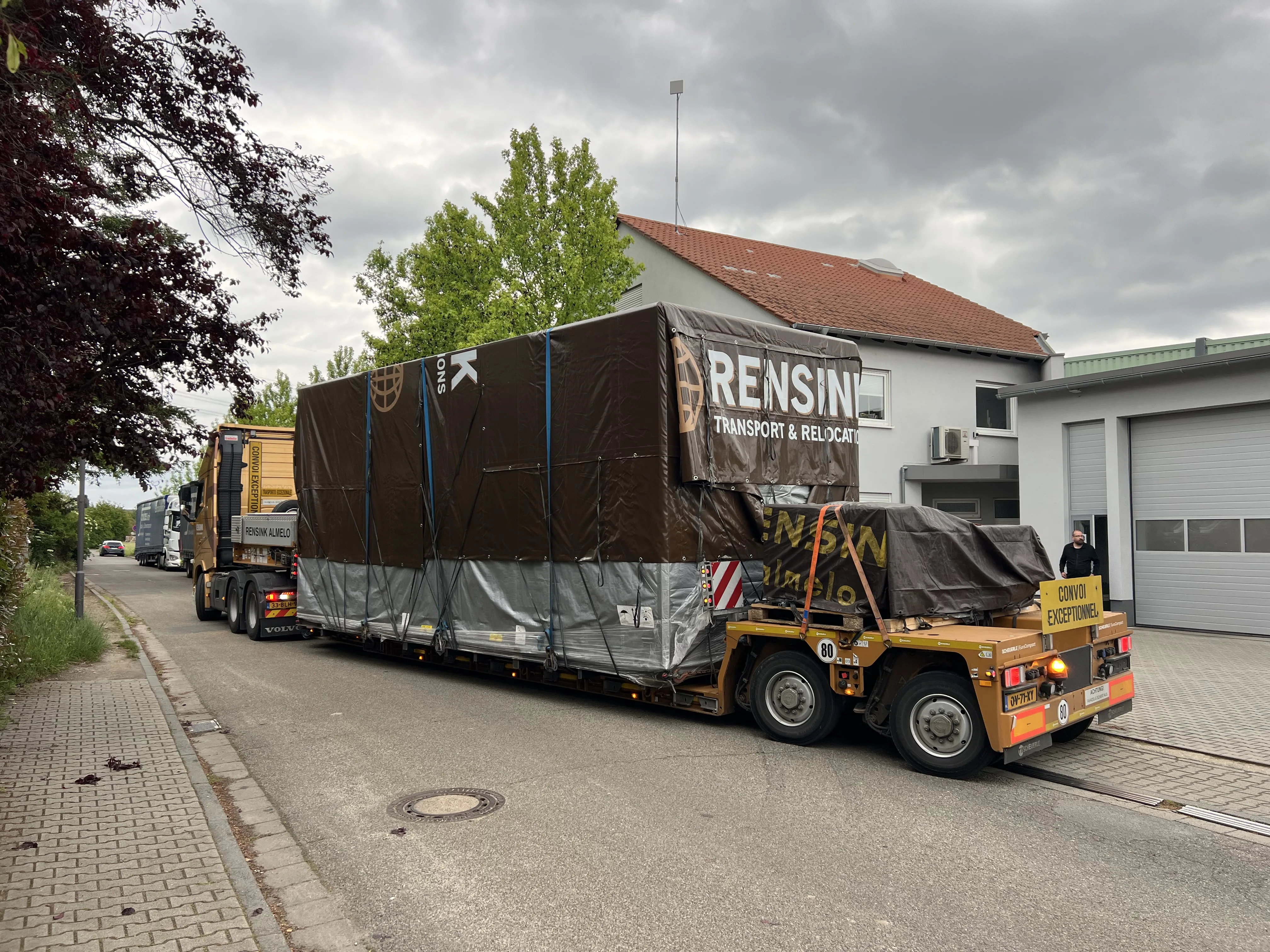
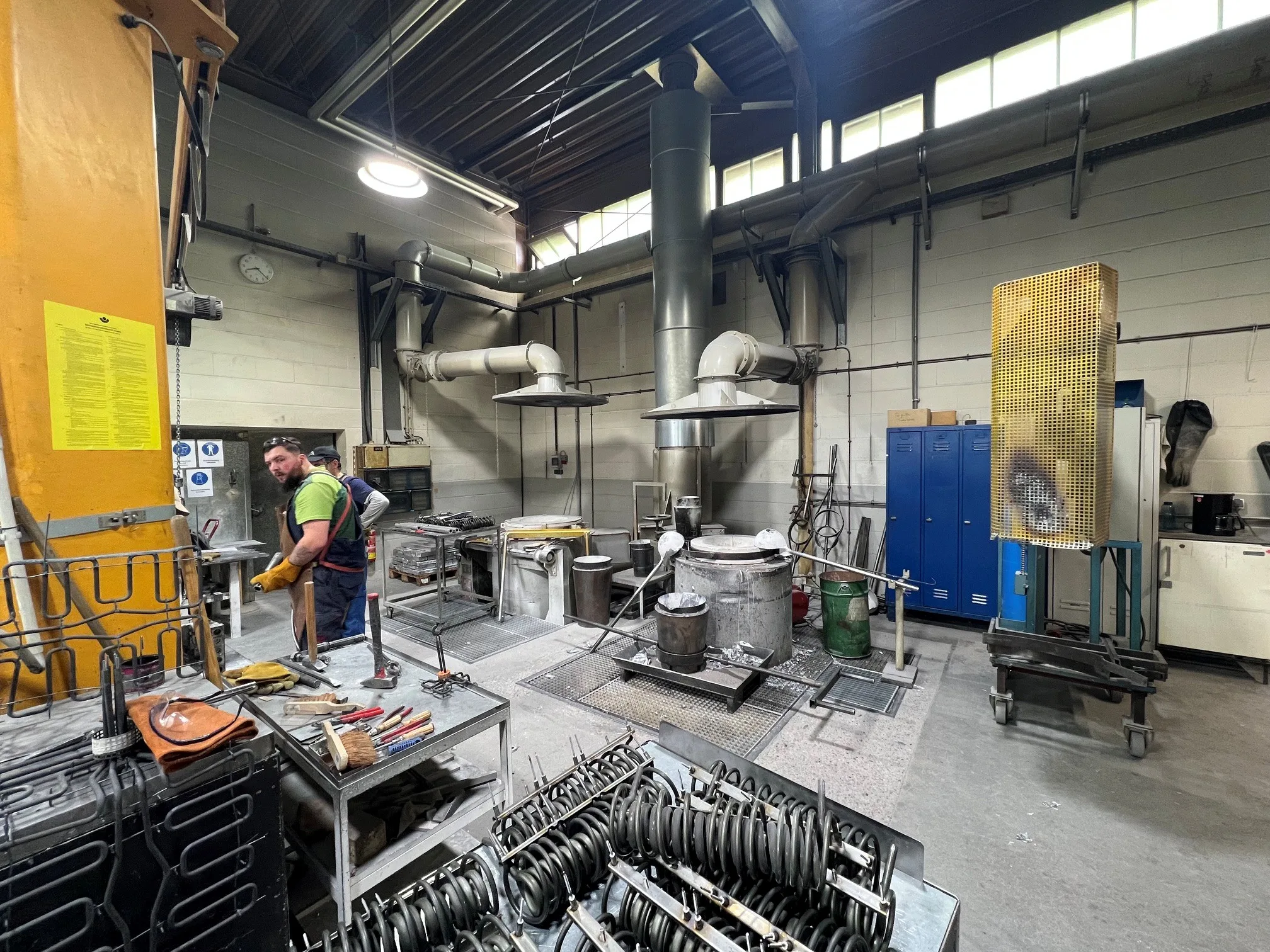
The Ihne & Tesch Group manufactures cast iron heaters at its Lampertheim location. There is our own foundry, permanent mould and sand casting as well as the necessary processing technology to not only sell cast iron radiators, but actually manufacture them.
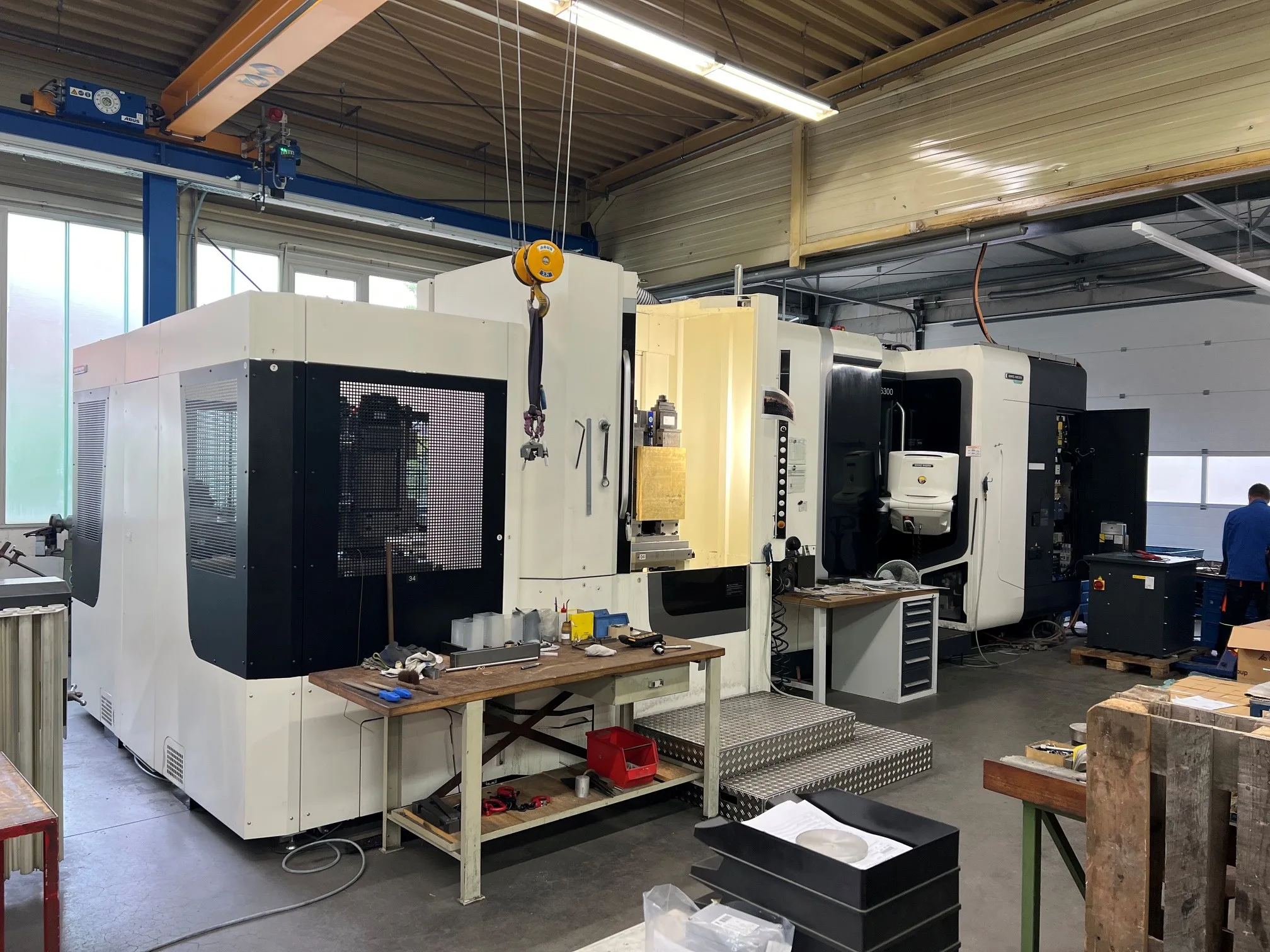
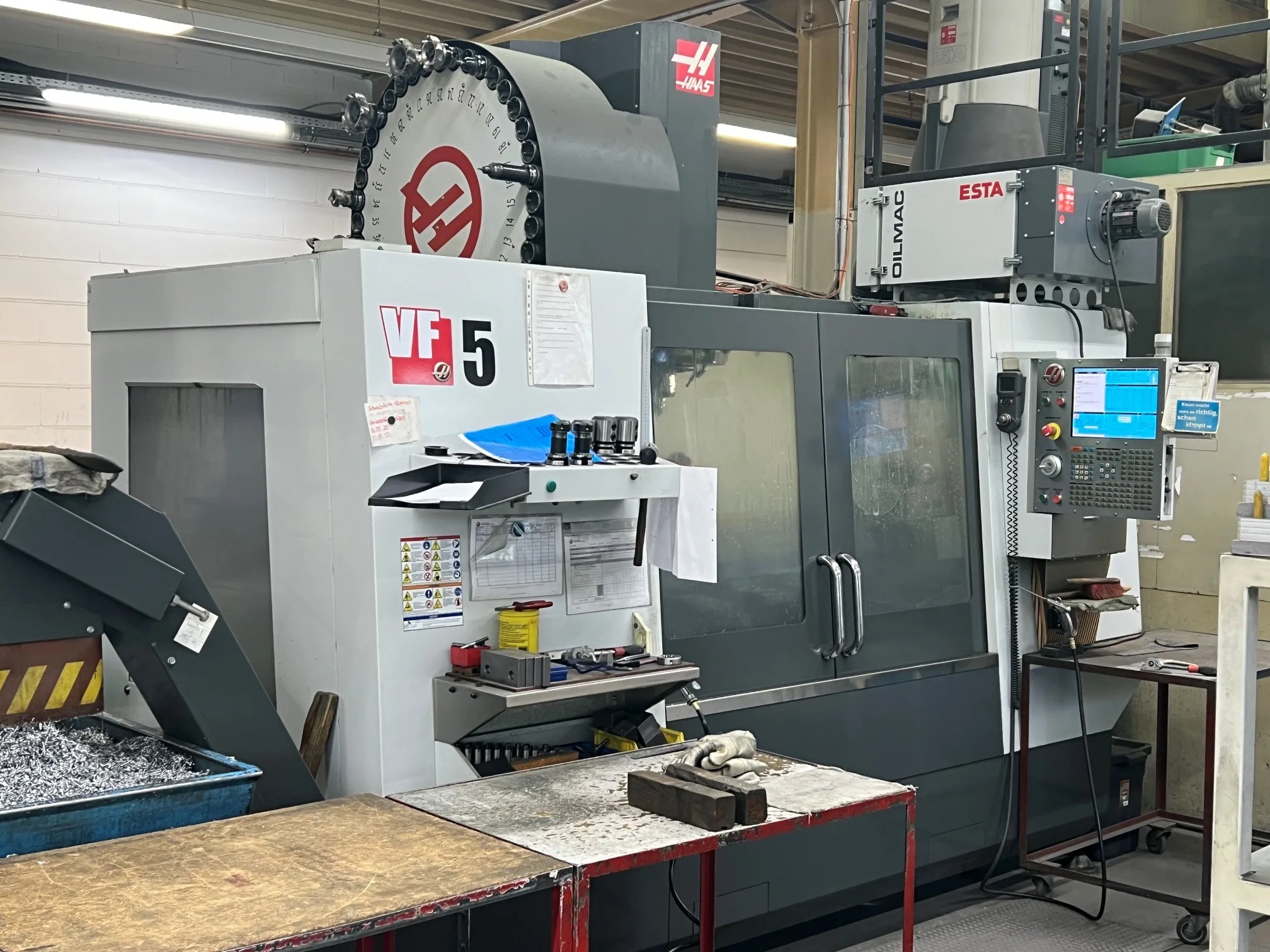
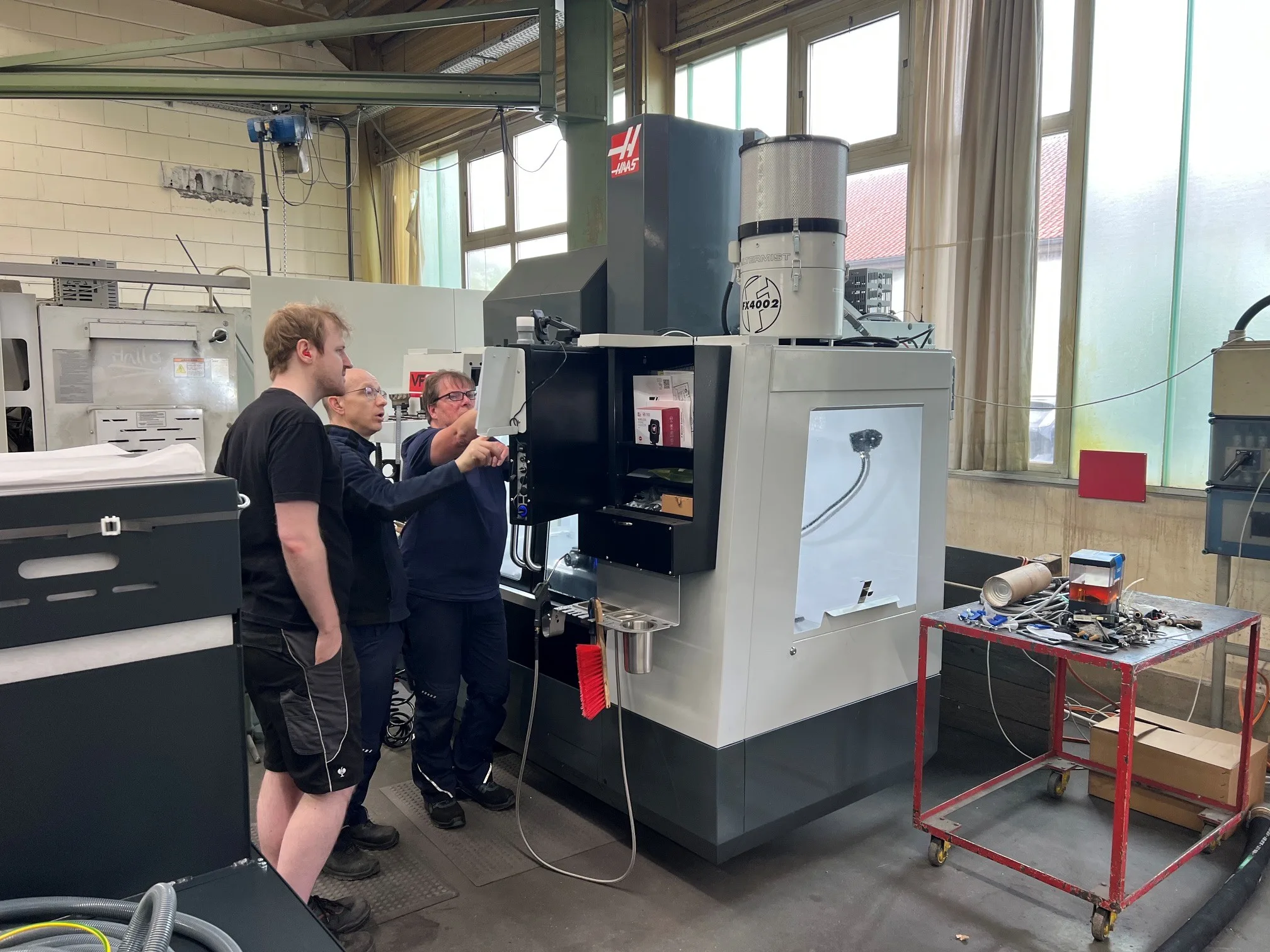
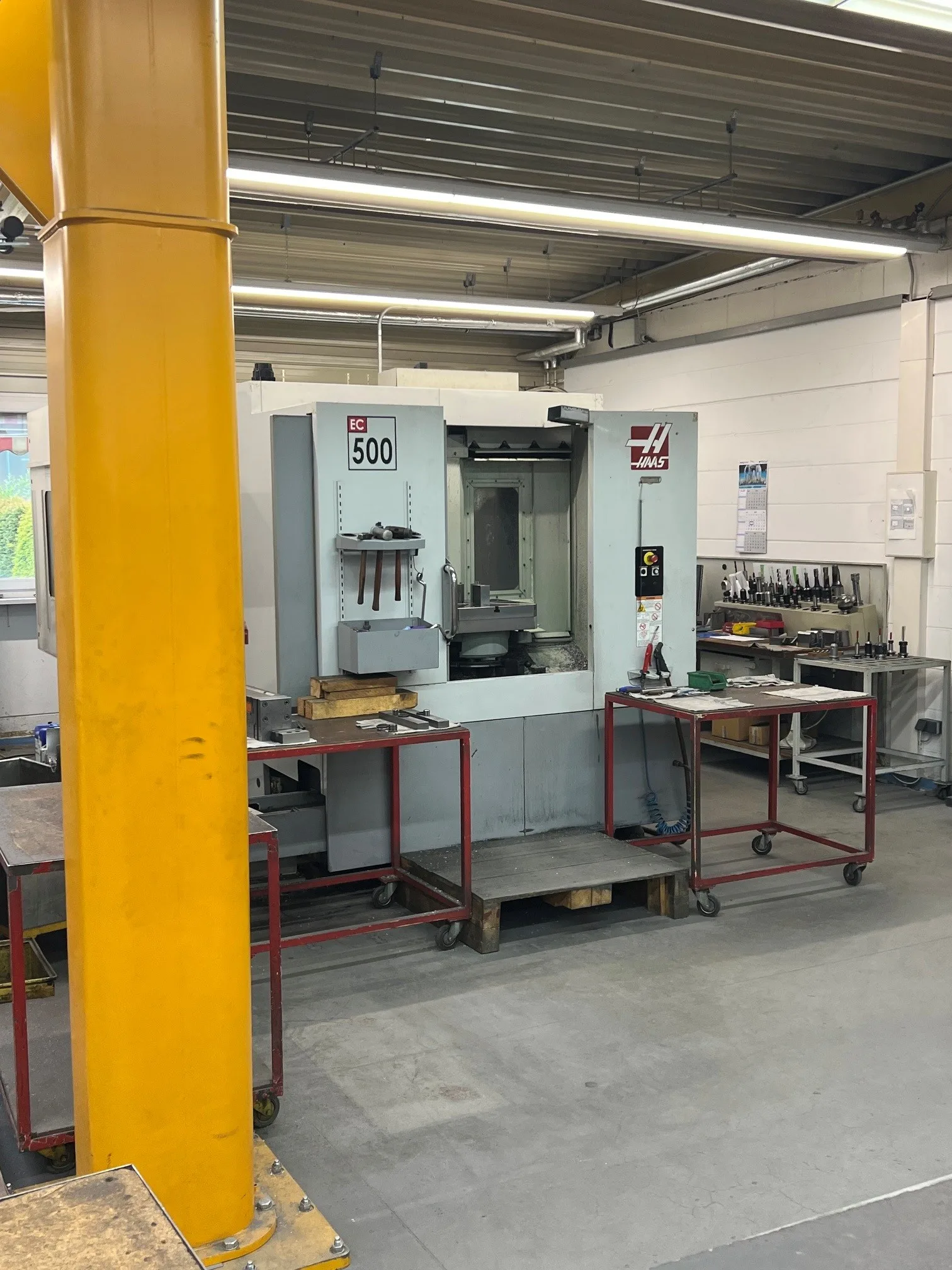
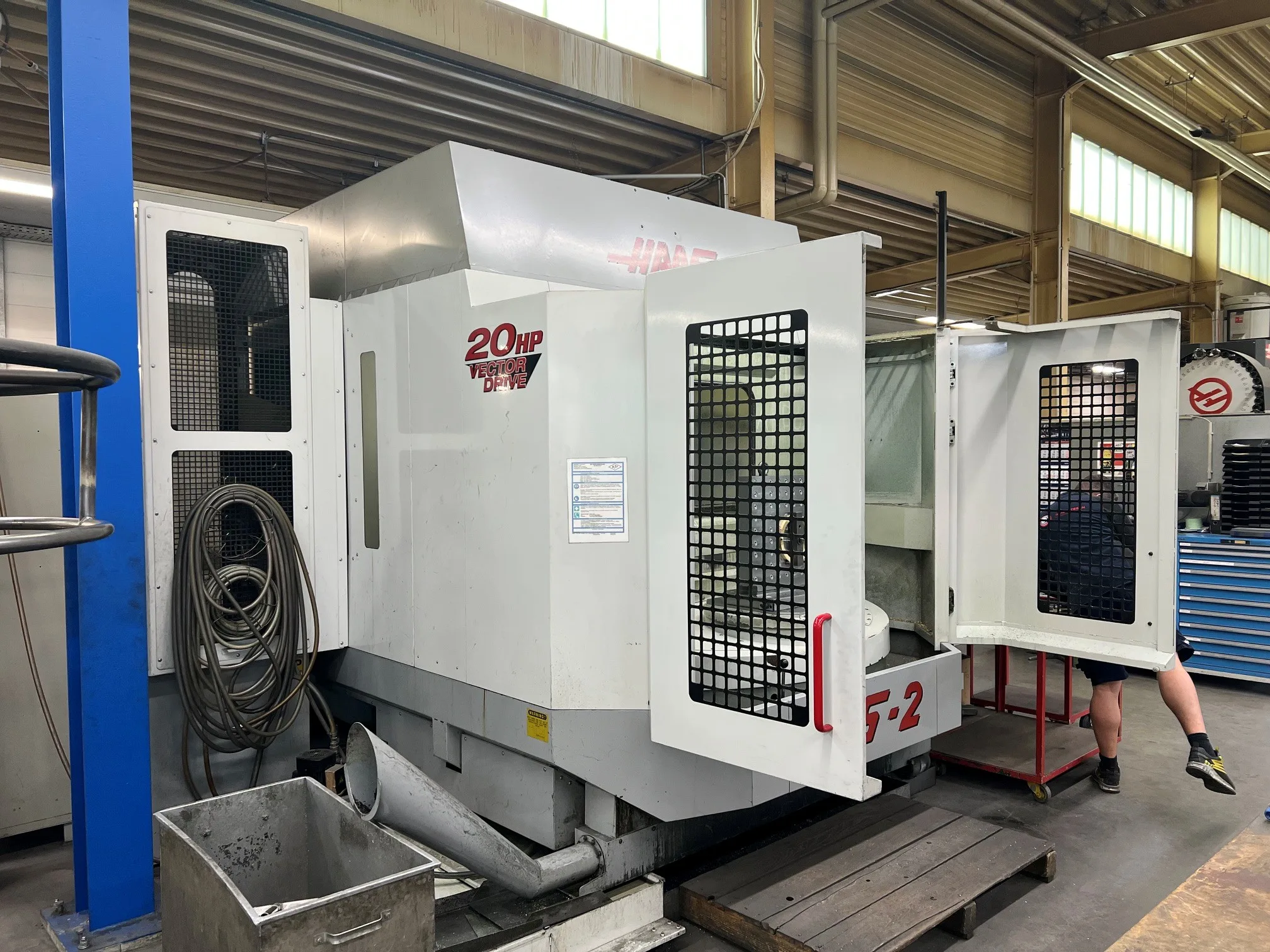
Around 35 years ago, Ihne & Tesch started with the first CNC machining centre in Kitamura. Today there are over 12 state-of-the-art CNC machining centers and turning centers available at the location, which are used to precisely process cast radiators after casting.
This makes Ihne & Tesch one of the leading OEM suppliers of cast-in heating elements in Europe. PTFE-coated heating plates with complex contours are used particularly in the packaging industry, for example for forming, sealing and packaging processes. Many yogurt cups and similar packaging are created on systems in which such contour-made heating plates play a central role.
From technical clarification to casting and mechanical processing, responsibility remains in-house. This is not an advertising slogan, but a verifiable difference in the depth of production.
Technical data for cast iron heaters
In the packaging industry, in addition to geometry and coating, cast material, cast tubular heating element and machined surface quality determine heat transfer, service life and process reliability.
Machined surface finish
- turn: Ra 0.8 - 12.5
- milling: Ra 1.6 - 12.5
- grinding: Ra 0.2 - 0.8
Cast-in tubular radiators
- Stainless steel 1.4541 or 1.4828, Ø 6.5 mm or Ø 8.5 mm
| Casting material | Designation | density | Thermal conductivity | Operating temperature | Surface loading |
|---|---|---|---|---|---|
| AlSi8Cu3 aluminium | AL | 2.7 kg/dm³ | 110-130 W/(m K) | ≤ 450°C | 4W/cm² |
| AlSi7Mg0.3 aluminium | AL | 2.6 kg/dm³ | 160-170 W/(m K) | ≤ 450°C | 4W/cm² |
| ACuZn39Pb brass | MS | 8.5 kg/dm³ | 65-85 W/(m K) | ≤ 650°C | 4W/cm² |
1 without coating, measured on the surface of the heating element 2 recommended
Just delivered
The dealer sees the finished part, the price and the delivery date. What happens during casting, machining and critical mating surfaces is beyond his direct influence.
Self-made
Ihne & Tesch can look at casting, machining and technical design together. This is exactly where the advantage of special parts made of aluminium and brass arises.
What the difference means on the machine
Cast iron heaters are often used where uniform heat distribution, robust construction and long service lives are required. Errors in design or production later show up not on paper, but on the machine.
Typical consequences are uneven temperature control, poor contact surfaces, longer heating times, energy losses, failures or production stoppages. This is precisely why it is relevant who is technically responsible for the component.
Manufacturing is more than delivering
Anyone who only trades cast iron heaters can take measurements, write offers and forward orders. A manufacturer with its own foundry can also evaluate how the component needs to be cast, machined, tested and adapted to the application.
That makes the difference between “we can deliver” and “we can manufacture”.
Frequently asked questions about foundry, CNC and OEM manufacturing
What does having your own foundry mean for cast iron heaters?
Our own foundry means that casting, technical design, post-processing and testing are the direct responsibility of Ihne & Tesch. This means that aluminium and brass cast radiators can be tailored more closely to the application, contour and installation situation.
Which casting processes does Ihne & Tesch use for cast iron radiators?
Ihne & Tesch produces cast iron radiators using chill and sand casting. There are 4 ovens with a total volume of over 1000 liters available at the Lampertheim location.
Since when has Ihne & Tesch been working with CNC machining?
Around 35 years ago, Ihne & Tesch started with the first CNC machining centre in Kitamura. Today the site has more than 12 state-of-the-art CNC machining centers and turning centers.
Why is CNC machining important for cast iron radiators?
After casting, mating surfaces, drilling patterns, contours and tolerances determine fit, heat transfer and repeat accuracy. CNC machining turns the cast raw part into a precise functional component.
What role do PTFE-coated heating plates play in the packaging industry?
PTFE coated heating plates with complex contours are used in forming, sealing and packaging processes. Many yoghurt pots and similar packaging are created on systems in which such contour-manufactured heating plates take on a central function.
Why is Ihne & Tesch considered an OEM provider for cast-in heating elements?
Ihne & Tesch combines its own foundry, cast-in heating elements, CNC machining and technical design in-house. This makes the company one of the leading OEM suppliers in Europe for cast heating elements in the plastics processing and packaging industry.
Do you need a cast iron heater?
Send drawing, sample, photo or installation situation. We check the technical feasibility directly with production.