Application
Applications
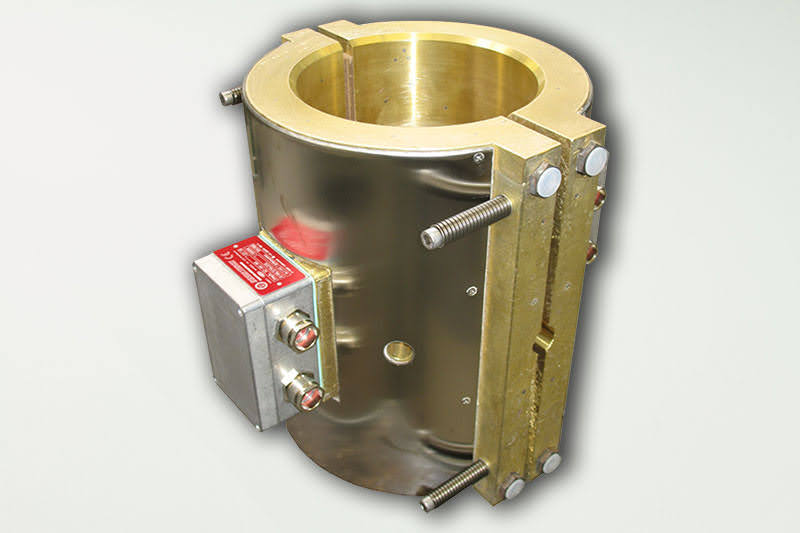
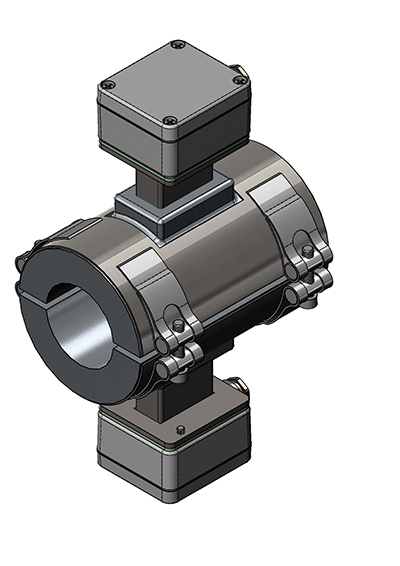
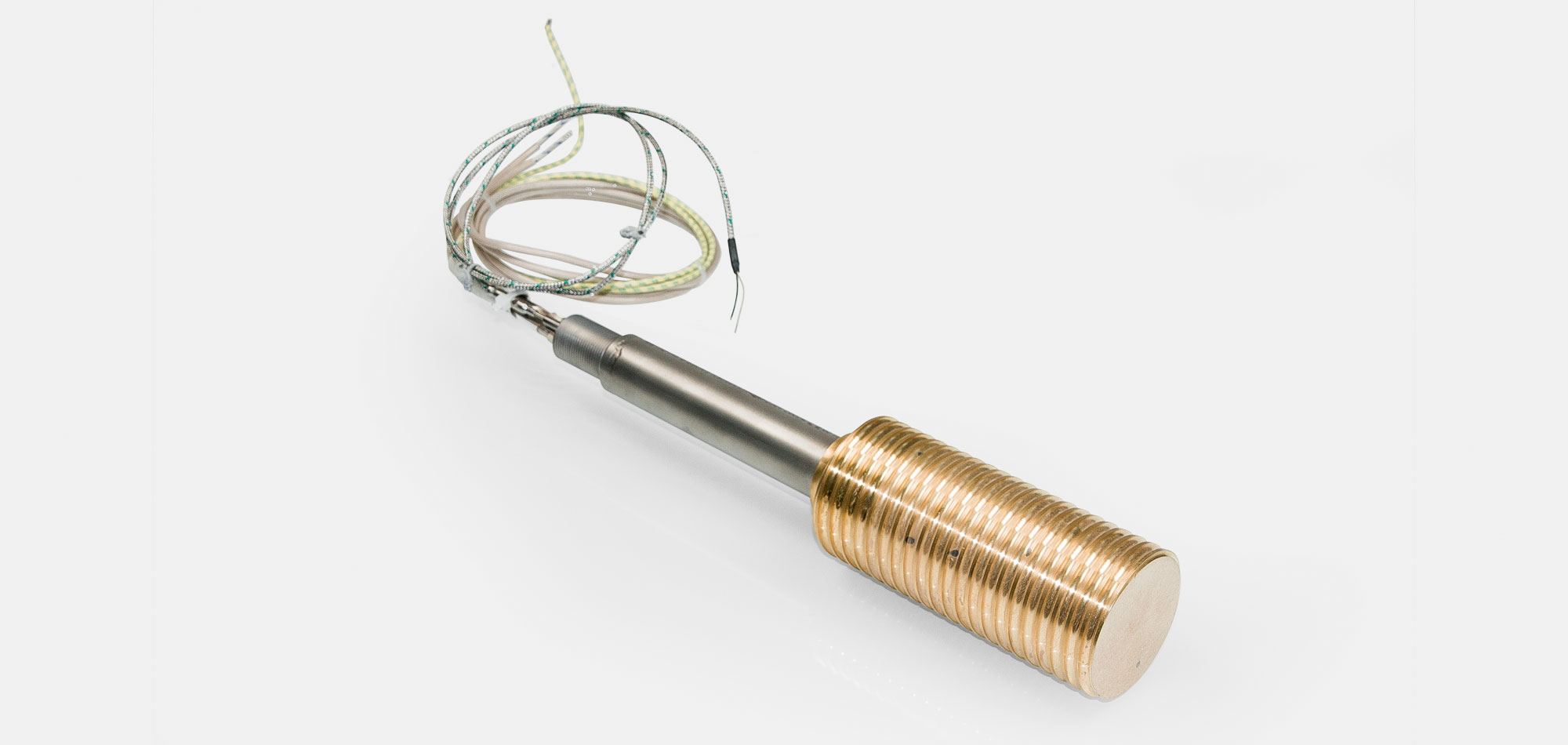
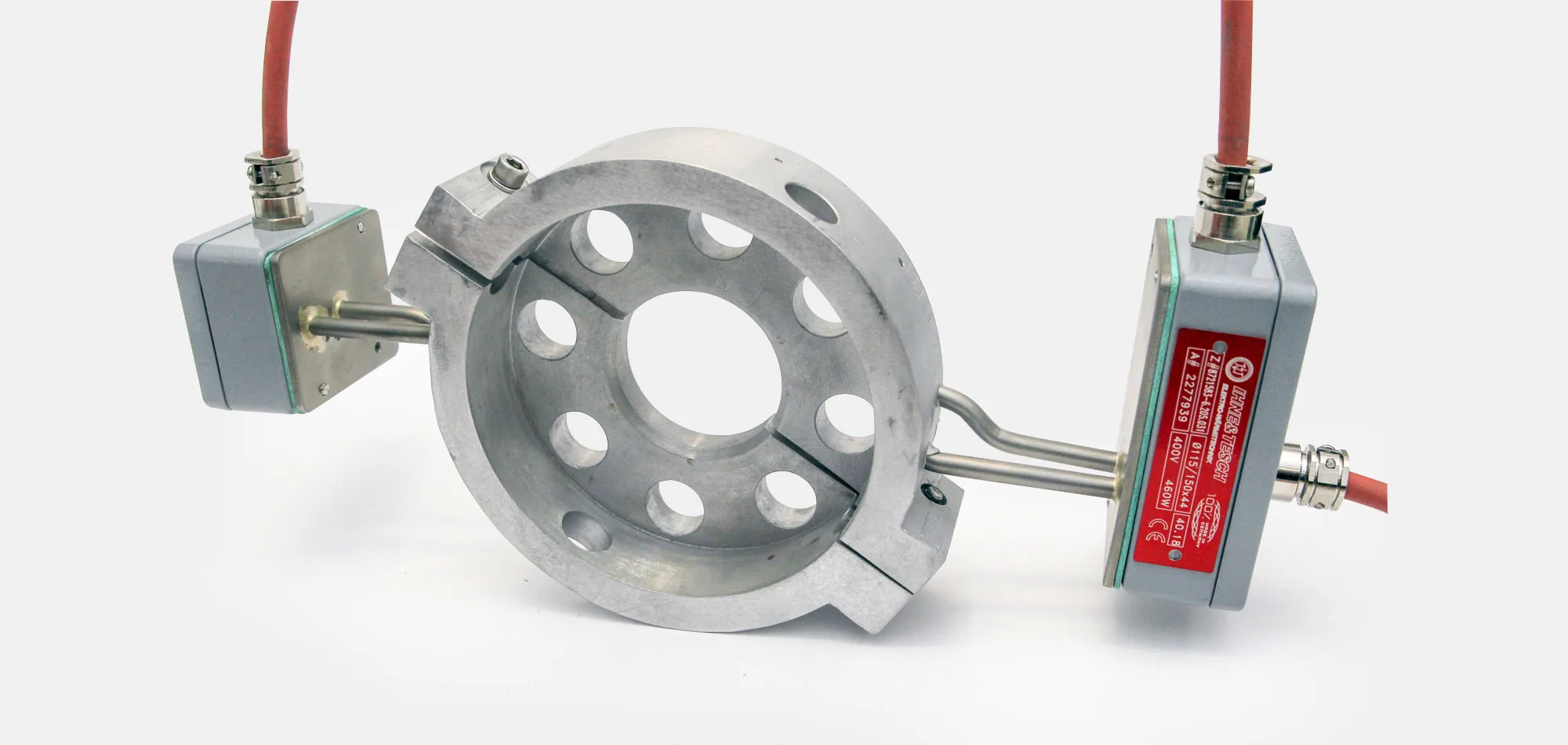
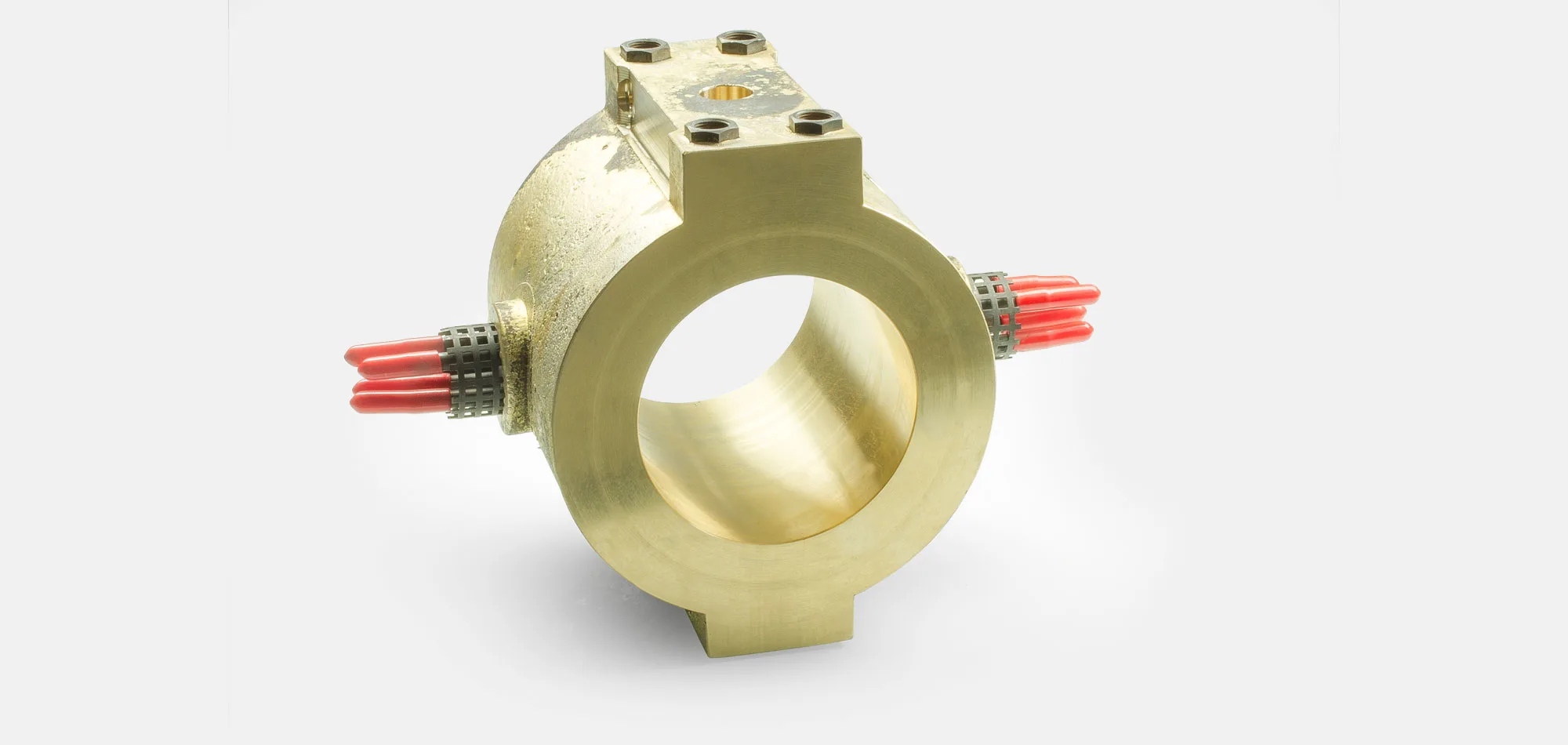
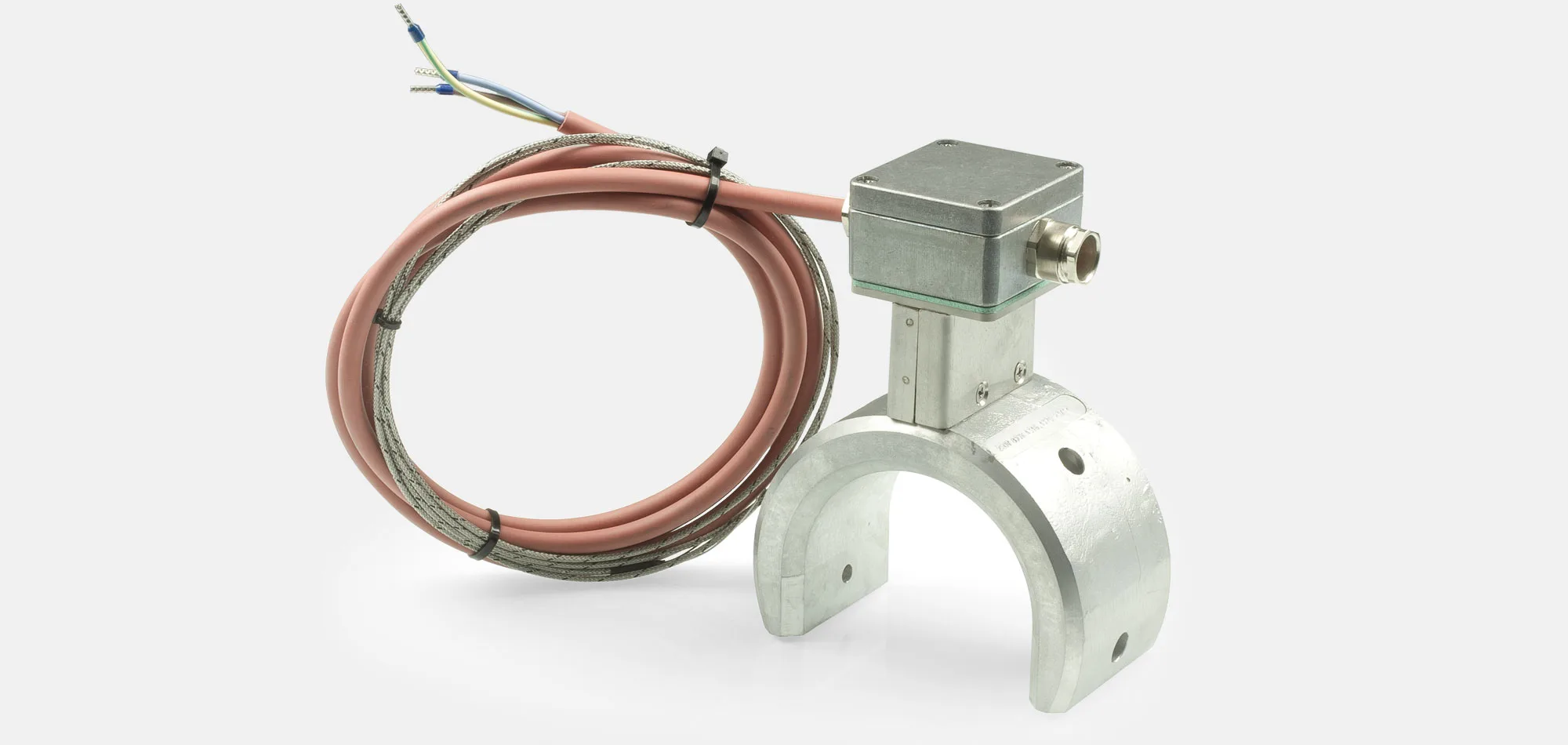
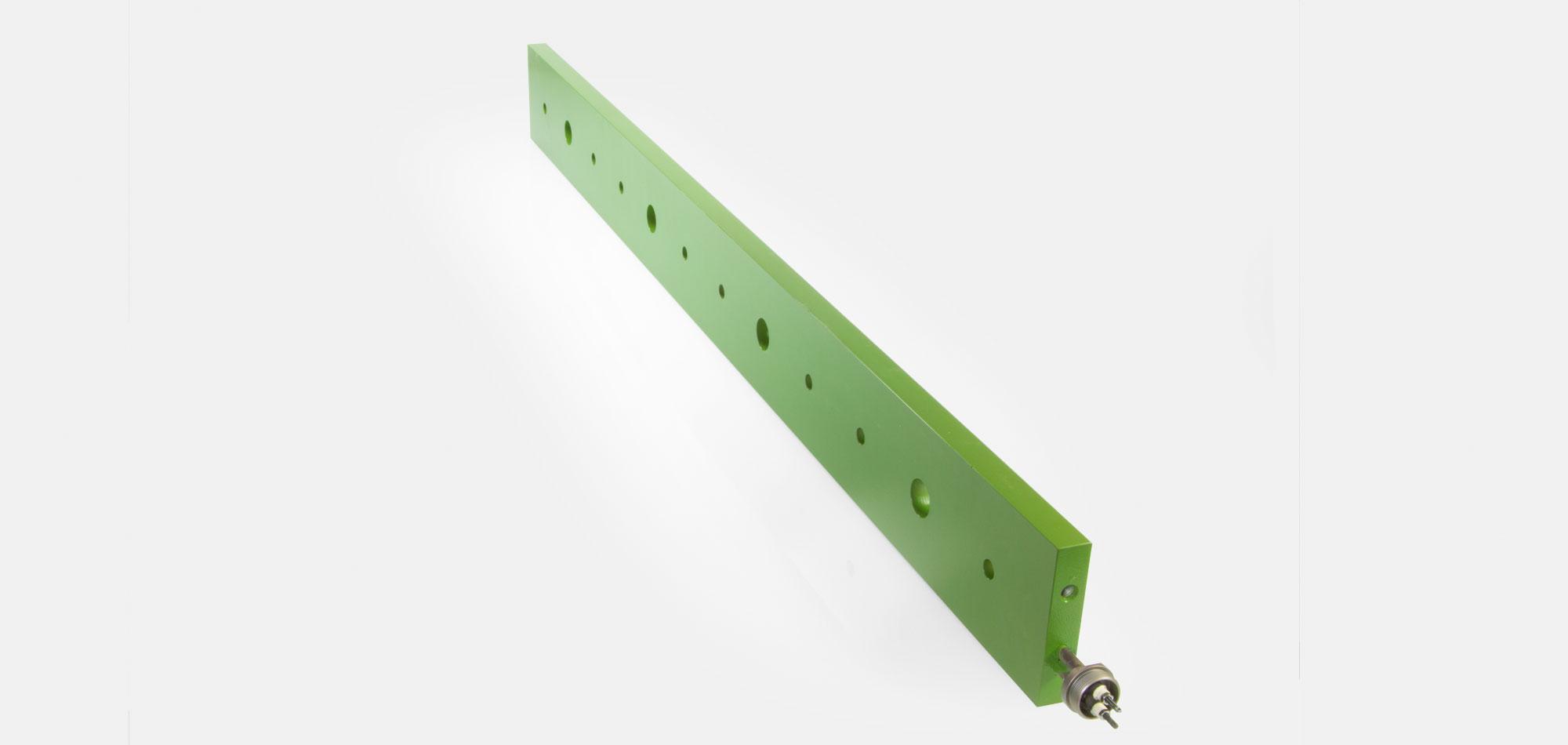
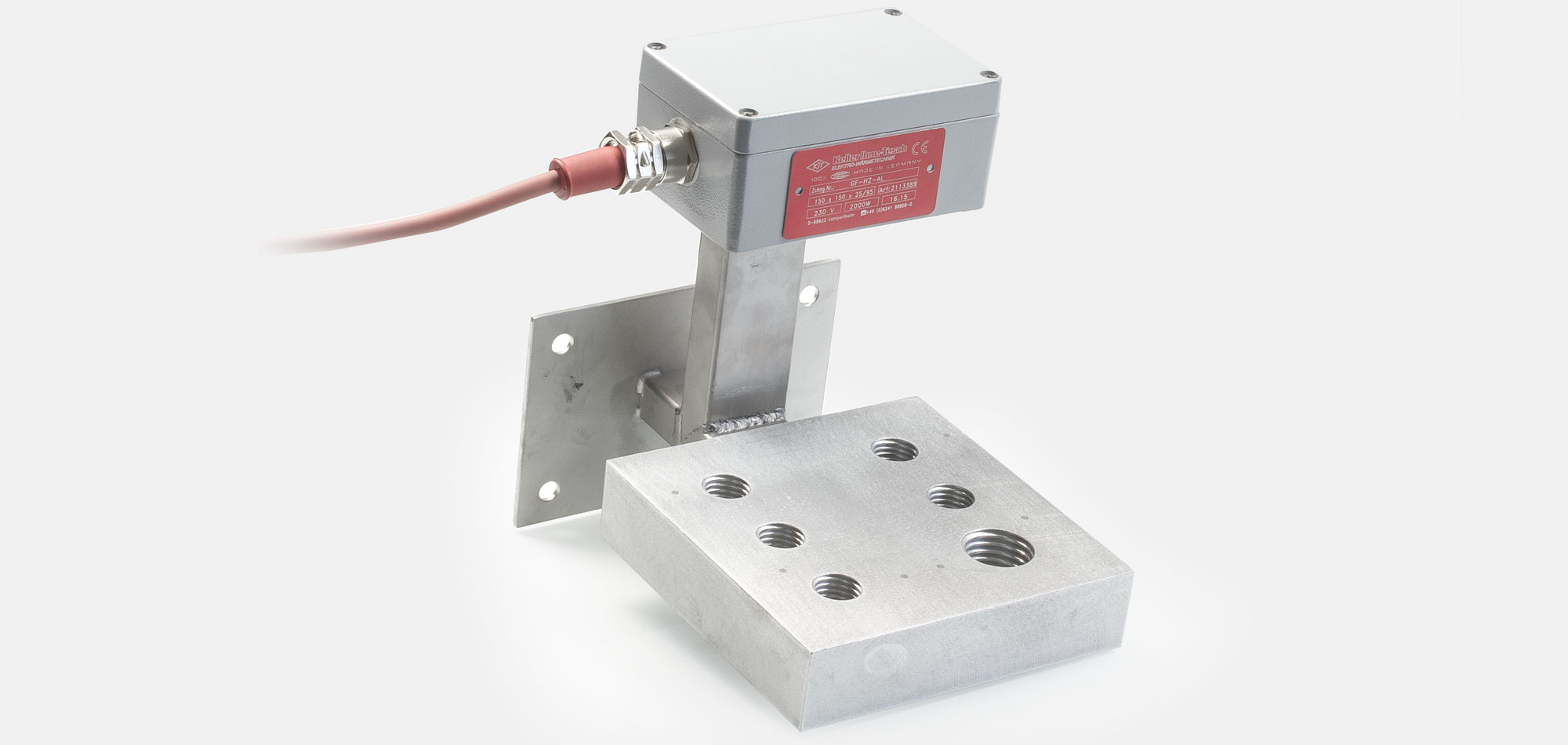
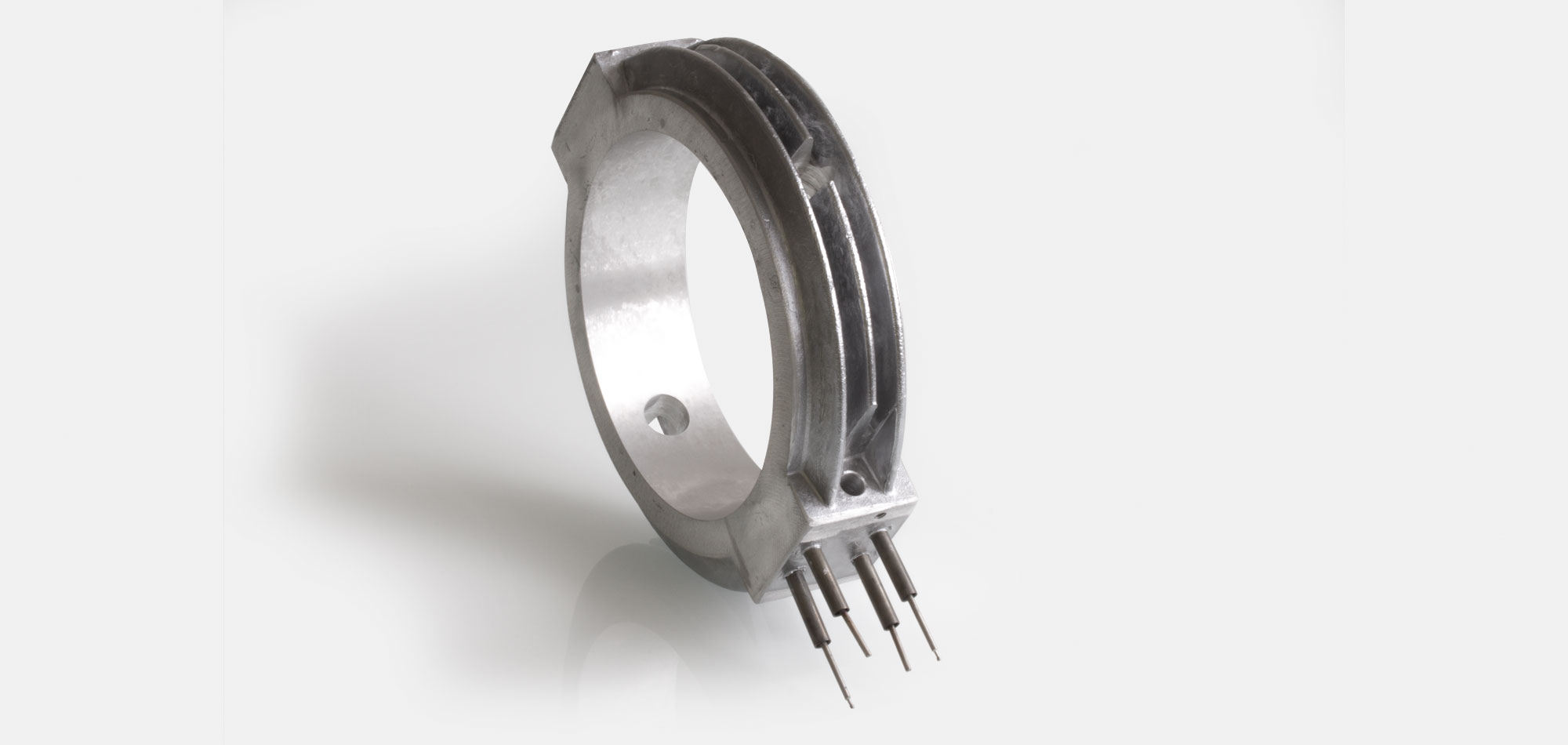
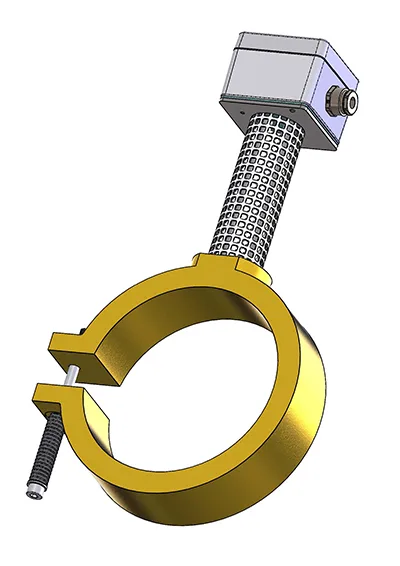
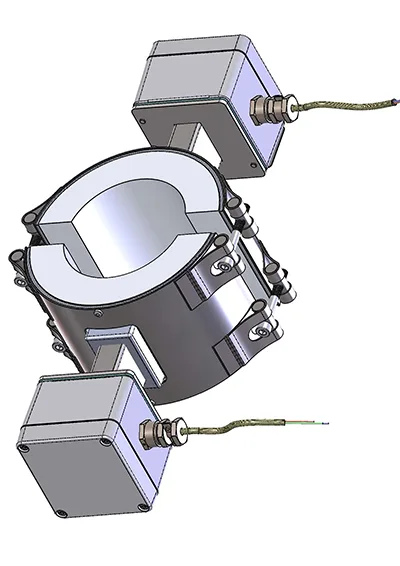
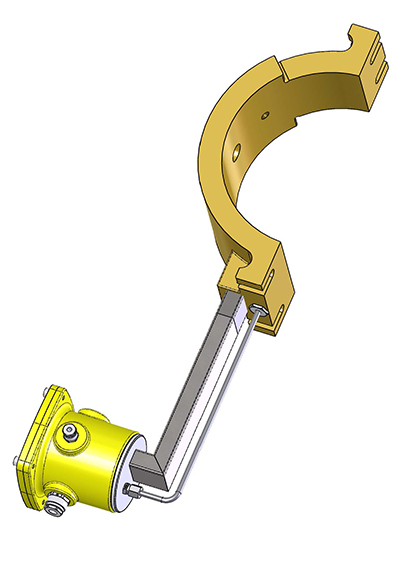
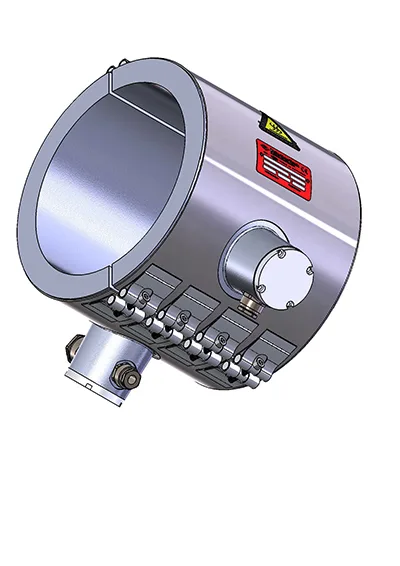
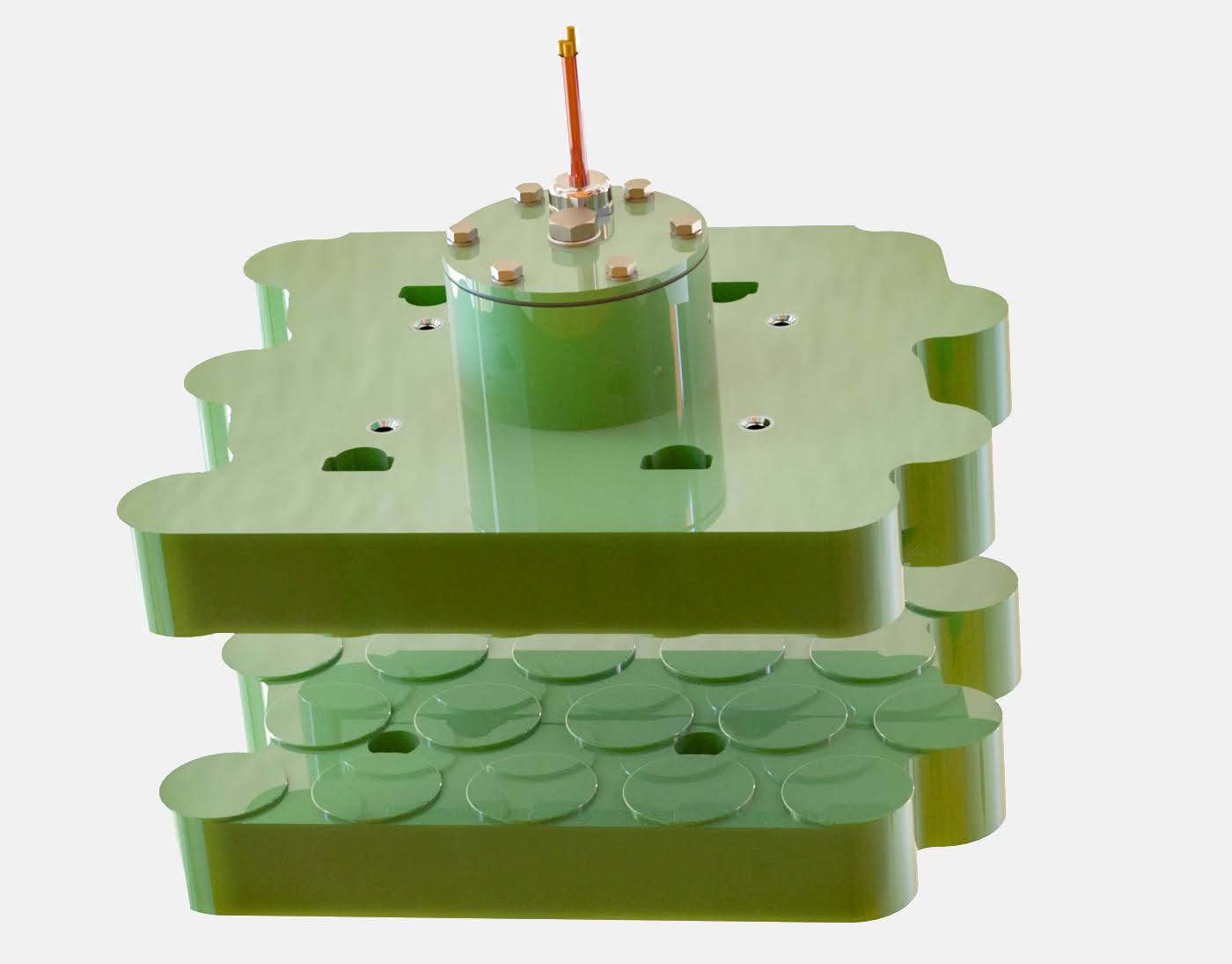
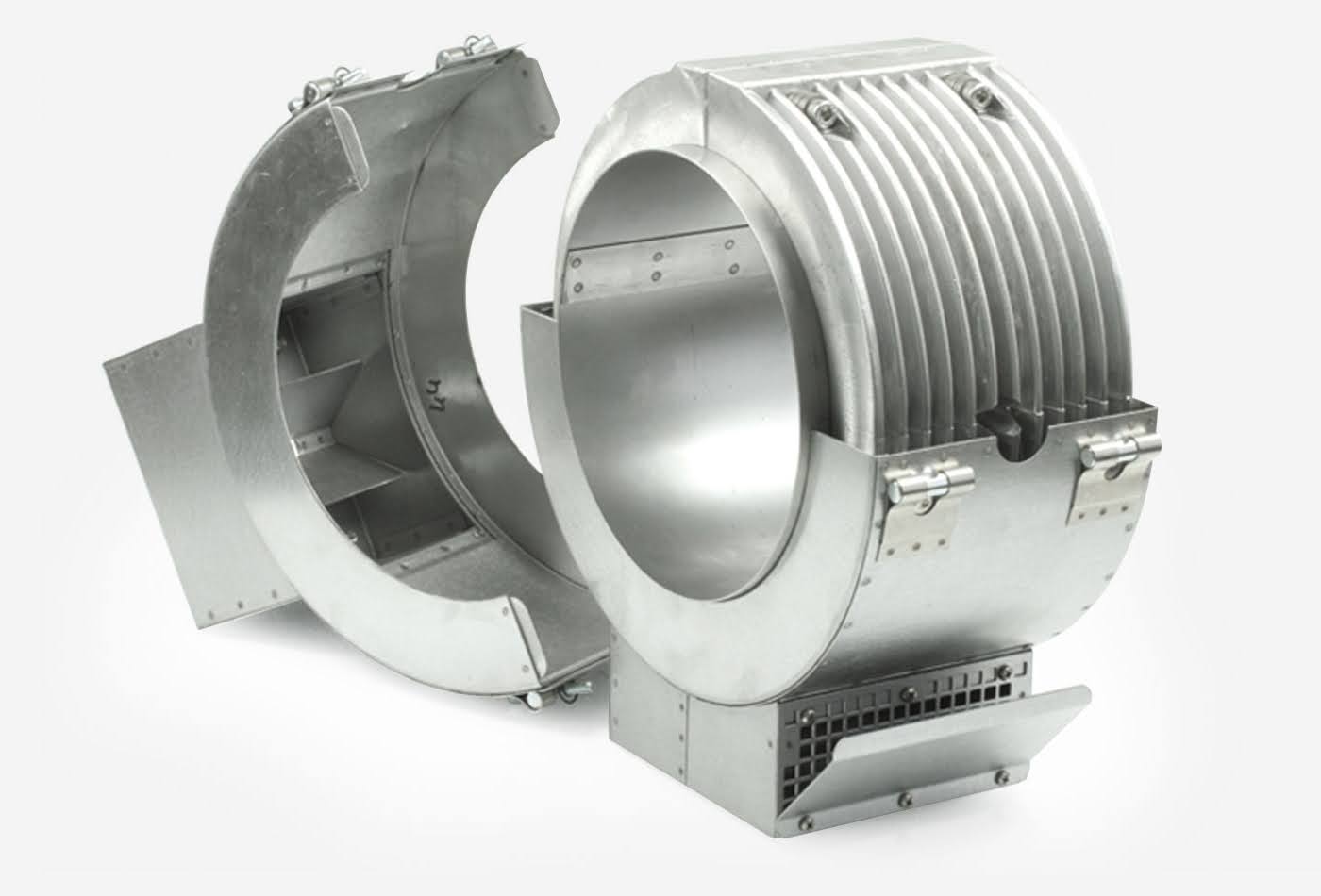
Ihne & Tesch cast-in heating elements are used in plastics and rubber processing and in many other industries requiring uniform heat.
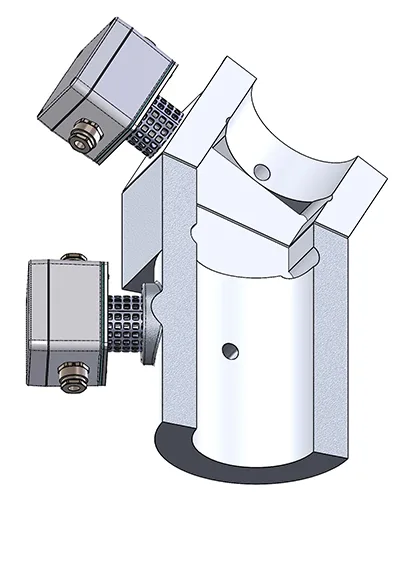
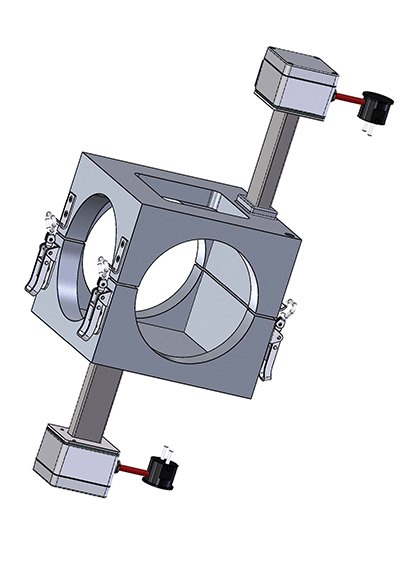
- Screen changers and filtration systems
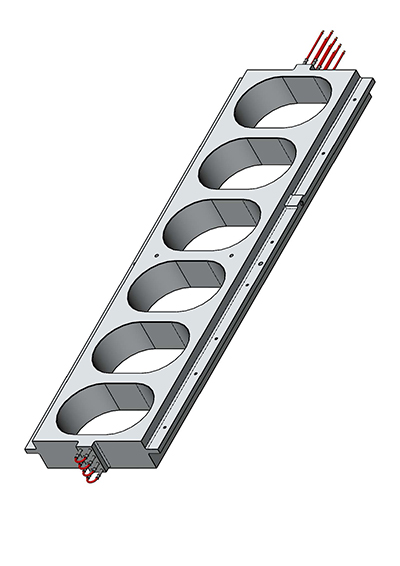
- Extrusion tools and flat dies
- Film machines and blown-film heads
- Profile welding machines
- Sealing, packaging and dairy machinery
- Lead-grid casting machines for battery production
- Preheating stations for forging tools
- Heat exchangers
- Special applications, including laboratory equipment
Options
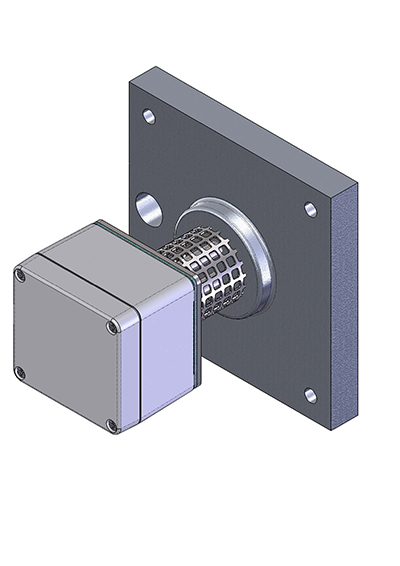
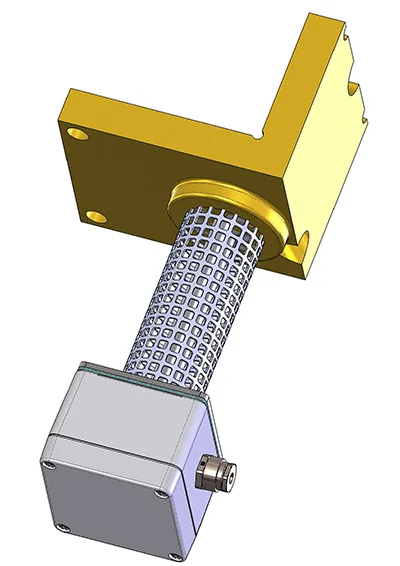
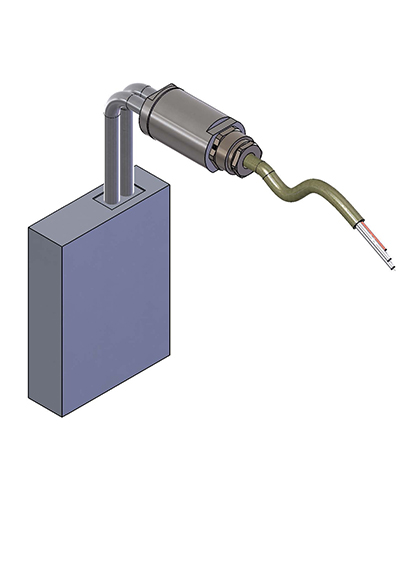
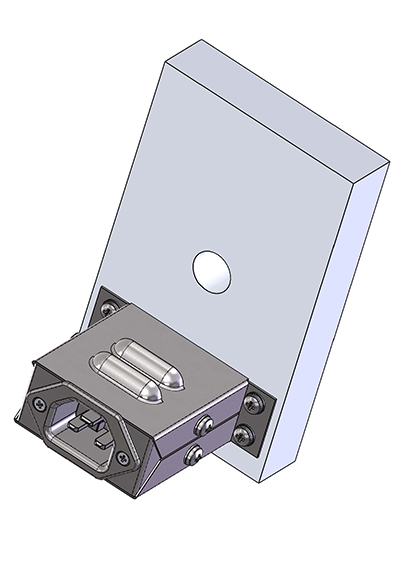
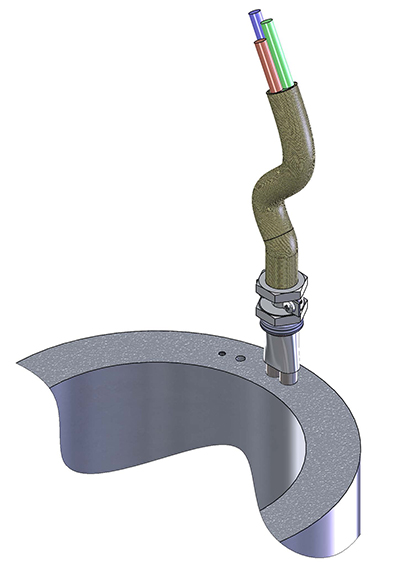
- Connection versions with protection ratings up to IP67
- Explosion-protected version with ATEX certificate
- Heating/cooling combinations with an additional cooling jacket or cast-in cooling tube
- with additional insulation
- various surface coatings, including non-stick coatings and electroless nickel plating
- plane-parallel version
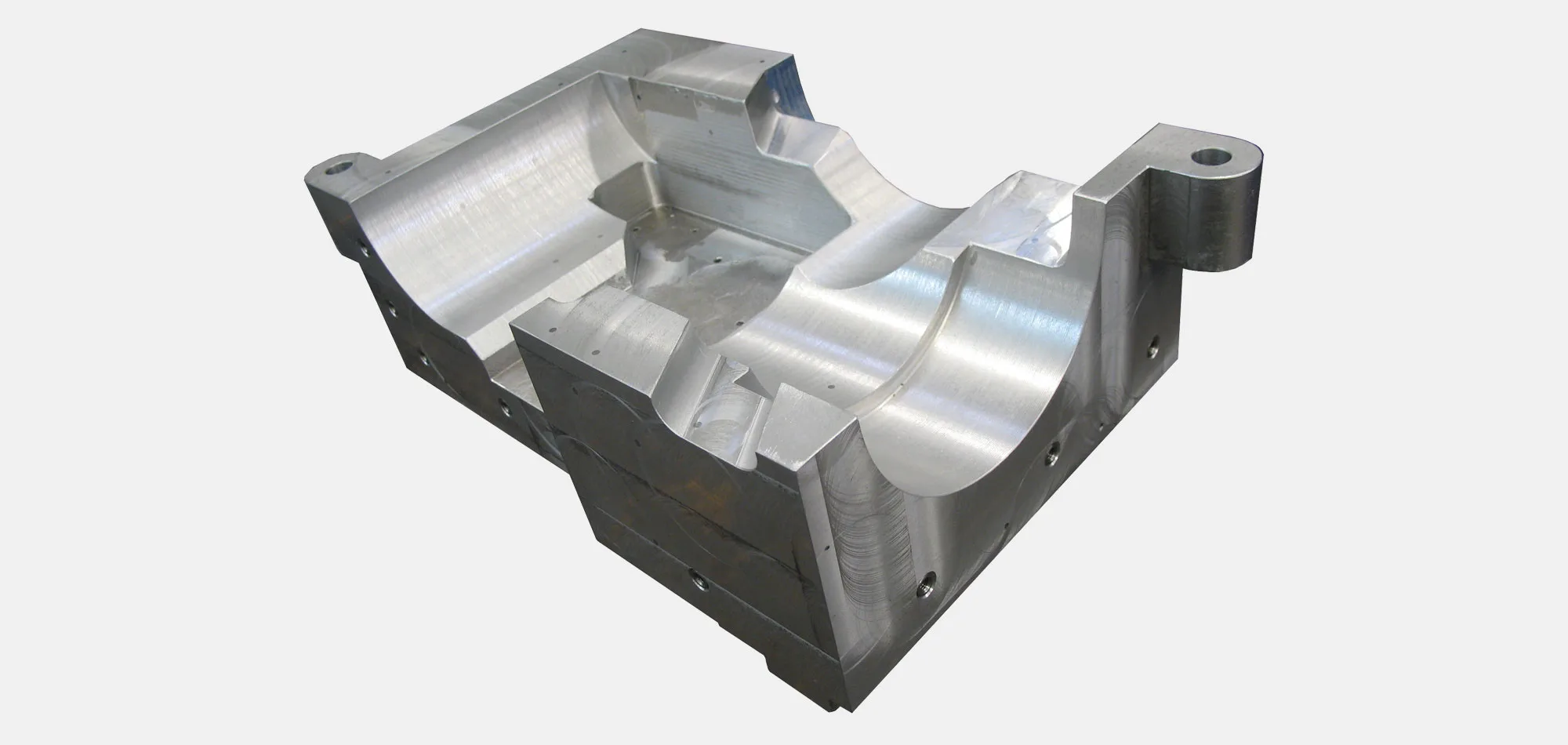
- machined contours with a ground surface
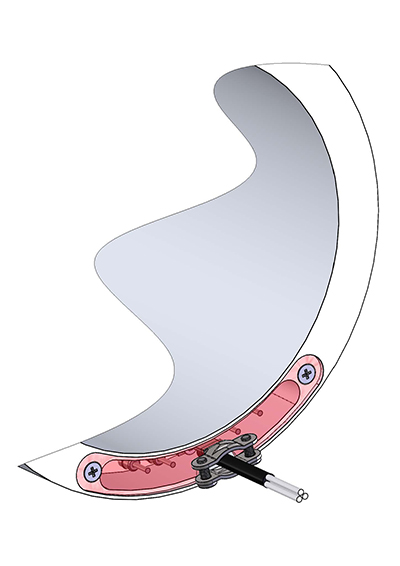
- temperature control using integrated sensors
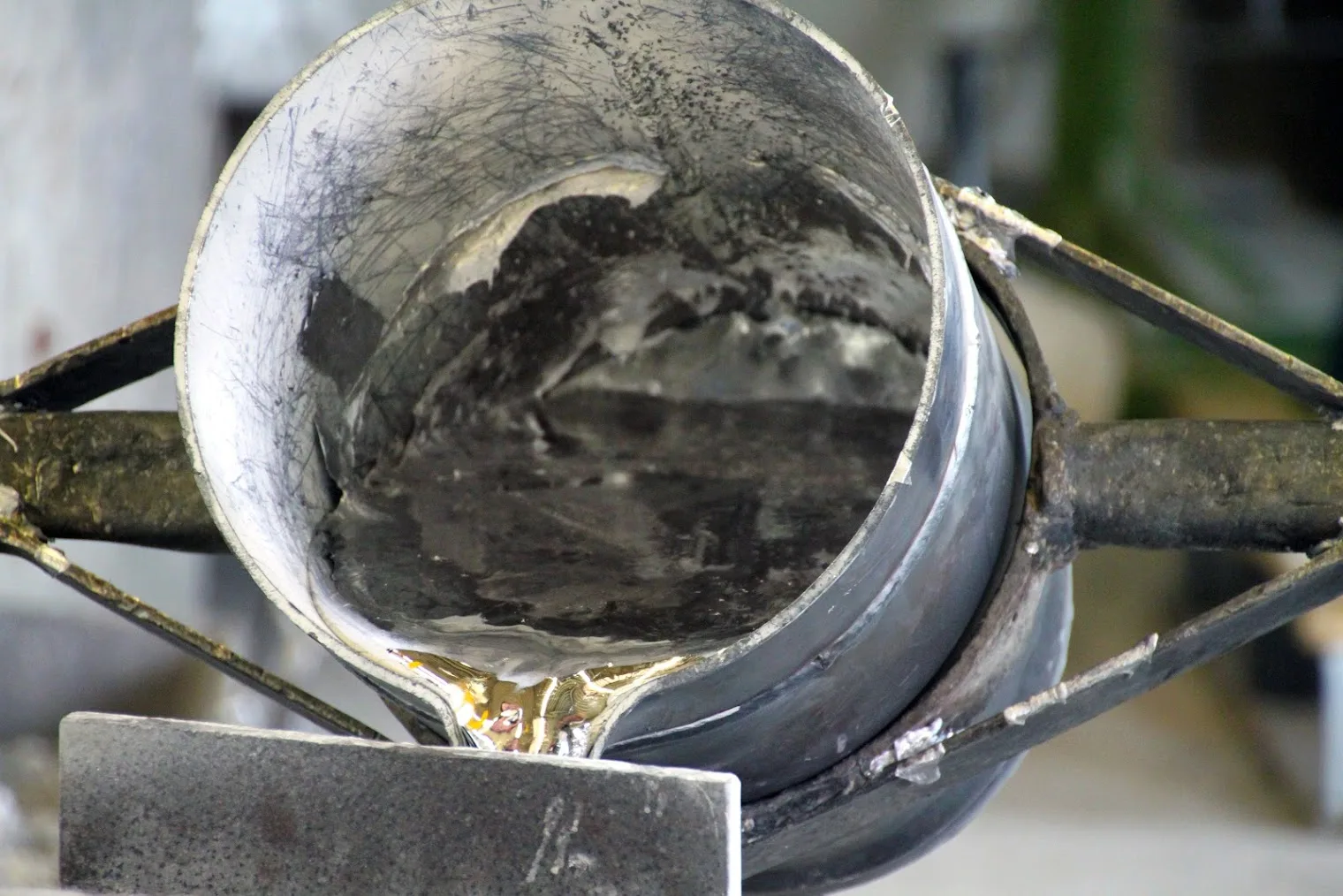
- a wide range of geometries from in-house permanent-mould and sand casting plus modern CNC machining
- manufacture, reconditioning, repair and overhaul
At a glance
Aluminium material
AlSi8Cu3
110–130 W/(m·K)
Aluminium material
AlSi7Mg0.3
160–170 W/(m·K)
Brass material
CuZn39Pb
65–85 W/(m·K)
Max. aluminium temperature
450 °C
4 W/cm² surface load
Max. brass temperature
650 °C
6 W/cm² surface load
Heating tubes
Ø 6.5 / 8.5 / 10 mm
stainless steel
Voltage
230 / 400 V
Tolerance ±10% (±5% available)
Delivery time
2–4 weeks
Custom manufacture
Fields of application
Industries and compatibility
Ihne & Tesch cast-in heating elements suit all common applications:
Plastics processing
Extrusion
Rubber industry
Packaging industry
Food industry
Battery industry
Forging
Laboratory equipment
Special-purpose machinery
Heat exchangers